

Iran faces massive job losses due to ongoing conflict with US and Israel
Iran faces massive job losses due to ongoing conflict with US and Israel
- Iran has faced significant job losses due to the ongoing conflict with the US and Israel, with industries struggling to cope.
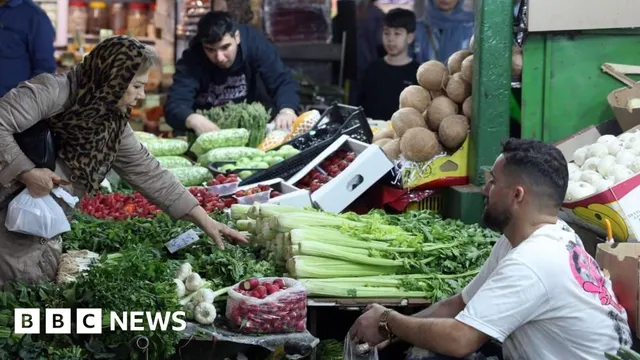
- Consumer spending has dropped dramatically as residents focus on essential goods, further harming various sectors.
- If hostilities and international sanctions persist, the economic crisis in Iran is expected to worsen, impacting millions.
Story
In Iran, the workforce has been significantly affected by the ongoing conflict with the US and Israel, resulting in a severe wave of redundancies. This situation has unfolded since the onset of the war, which has directly impacted industries across the country, leading to widespread layoffs not only in manufacturing but also in retail and the digital sector. As workers lose their jobs, social media has become a platform for Iranians to express their frustrations and observations regarding the changing economic landscape. Reports indicate that industries dependent on import resources, particularly textiles, have suffered notable workforce reductions, with some companies reducing their staff by as much as 90%. Consumer spending in Iran has declined sharply as many residents are forced to cut back to essential goods and services, consequently affecting sectors like tourism and dining. The Iranian government has responded to the economic turmoil by introducing a loan scheme aimed at assisting small businesses affected by the redundancies. However, the financial assistance offered seems minimal, with loans of around 440 million rials provided per worker, which must be reimbursed within six months and carries a significant interest rate of 18% to 35%, depending on the number of made redundancies. The impact of government policies, including an internet blackout initiated for security reasons during the conflict, has compounded the economic challenges faced by the country. This shutdown has notably hindered the tech and digital sectors, which had previously experienced growth. Many women, who represented only a fraction of the workforce even before the war, have lost crucial means of income as they relied on online platforms to market their products. The loss of internet access has not only affected businesses but also the flow of information and news, further exacerbating the sense of crisis. Media outlets, including the Iran Labour News Agency, have also been compelled to lay off journalists, demonstrating that the ripple effects of the conflict extend beyond just direct employment losses. Looking ahead, the looming threat of resumed hostilities or sustained international sanctions raises the prospect for even greater economic uncertainty for millions in Iran. Should air strikes resume, or the already fragile economy continue to deteriorate, the situation for Iranian citizens could worsen dramatically. Increased unemployment rates, skyrocketing prices, and a deepening economic crisis seem inevitable unless there is a significant change in circumstances, highlighting the dire need for solutions to restore stability to the nation.


