
UK government approves controversial Chinese mega-embassy plans
- The UK government has given the green light for a new Chinese embassy in London due to potential economic benefits.
- Concerns persist regarding national security implications, especially related to the embassy’s proximity to key communication infrastructures.
- The approval is controversial and has provoked opposition from various political figures and campaigners advocating against foreign influence.
Story
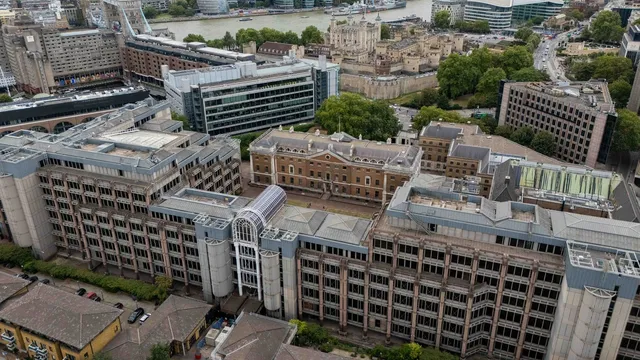
On January 20, 2026, the UK government announced its approval of plans for a Chinese mega-embassy at Royal Mint Court, near the Tower of London. Critics have expressed deep concerns regarding potential national security threats due to the embassy's proximity to sensitive communication infrastructure in the City of London. Earlier discussions among British Members of Parliament reflected apprehensions that the embassy could heighten risks of espionage and increase China's influence in the UK. The decision came amidst ongoing debates about China's role in international relations, with US Speaker Mike Johnson indicating apprehension over the development from an American perspective. In the lead-up to this decision, UK Foreign Minister Seema Malhotra reassured MPs that British intelligence services had been actively involved in assessing security implications throughout the planning process. On January 19, she emphasized the government's commitment to national security in a parliamentary session, stating that measures had been put in place to mitigate potential risks associated with the new diplomatic site. Despite these reassurances, local residents and various campaign groups have vowed to challenge the decision, fearing the embassy may act as a base for surveillance and intimidation. The approval marks a significant shift in the UK government's approach to engagement with China amid rising tensions in global geopolitics. The Labour Party, currently in power, is navigating a complex landscape of domestic and international pressures regarding relations with Beijing, particularly against the backdrop of stern criticism from opposition parties and prominent figures in the US government. Many British MPs worry this development signals an entrenchment of Chinese influence, especially as the new embassy is set to be the largest in Europe, consolidating China's diplomatic presence in a single location. As the UK seeks to bolster economic ties with China, a critical foreign trip by Prime Minister Keir Starmer is anticipated at the end of January to further enhance diplomatic relations. However, the fallout from the embassy's approval highlights deep divisions within Parliament and raises questions about the government's ability to balance domestic security concerns with economic necessities. As citizens voice their dissent and political figures clash over the implications of this decision, the narrative surrounding the Chinese mega-embassy will likely evolve, reflecting broader anxieties about national sovereignty and the influence of foreign powers in the UK.
