

U.S. military kills three alleged drug traffickers in Caribbean strike
U.S. military kills three alleged drug traffickers in Caribbean strike
- The U.S. Southern Command struck a vessel accused of drug trafficking in the Caribbean.
- Three individuals, labeled as narco-terrorists, were killed in the operation without any U.S. military casualties.
- This operation is part of a series of strikes aimed at combating narcotics trafficking in response to security threats.
Story
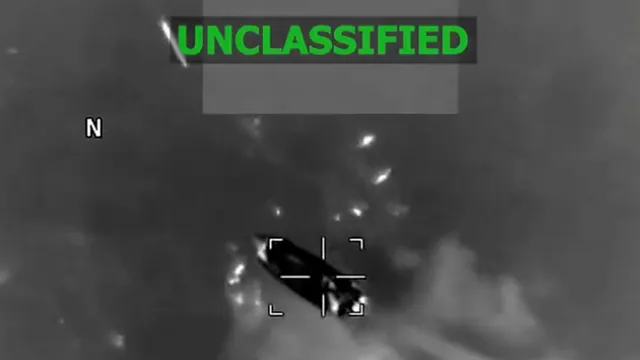
On February 14, 2026, the U.S. Southern Command executed a military strike against a vessel in the Caribbean that was reportedly involved in transporting drugs. The operation was part of a larger campaign against narcotics trafficking in the region, with the military asserting that the vessel's activities were tied to Designated Terrorist Organizations. This marked the latest in a series of actions aimed at curbing drug transport via known narco-trafficking routes. The U.S. military stated that three individuals, described as narco-terrorists, were killed during the operation, and that no U.S. military personnel were harmed. Through these operations, the U.S. government aims to address the challenges posed by drug trafficking and its connections to terrorism. Despite the claims made by the U.S. Southern Command, detailed evidence supporting the allegations regarding the vessel's cargo and the identities of those on board was not provided. This strike follows a previous operation earlier in the week that resulted in the deaths of two individuals aboard a different vessel in the eastern Pacific. The increased frequency of strikes since January is also notable, coinciding with significant political changes in Venezuela, particularly the removal and detention of the country's former president Nicolás Maduro on serious charges including narco-terrorism and conspiracy related to cocaine importation. Since the resumption of boat strikes in late January 2026, the Department of Defense reported that 37 strikes had occurred, resulting in around 120 fatalities associated with drug trafficking activities, not including the recent strike. The strikes have generated debate over U.S. military involvement in drug enforcement operations, reflecting a broader strategy aimed at defending national security interests against narcotics-related threats.


