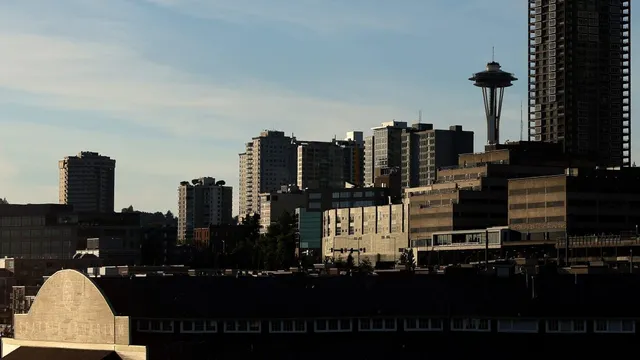
In the United States, Seattle has experienced a significant downturn in its downtown office market and labor market. As of the fourth quarter of 2025, the office vacancy rate in downtown Seattle reached 35.6%, a stark increase from 32.3% the previous year. This decline is attributed to various factors, including the rise of remote work, tech layoffs, and cautious leasing decisions. Major companies like Microsoft, Amazon, and Blue Origin have announced substantial job reductions, contributing to a 35% drop in job postings in the Seattle metro area between February 2020 and October 2025.
The labor market's decline is particularly alarming, as the region recorded a net loss of 13,000 jobs in 2025, marking its first annual decline since the pandemic. This is a significant shift from the previous boom years when the area saw annual job gains of 40,000. The tech sector, once a driving force for employment in Seattle, has been hit hard, with thousands of layoffs announced since 2023. The overall job market collapse has made it increasingly difficult for residents to find work, exacerbating the challenges faced by small businesses in the area.
Compounding these issues is a new wage policy that has put additional pressure on small businesses. Seattle's minimum wage, set at $20.76 an hour and applied uniformly to all employers since January 2025, has made it harder for smaller firms to survive amid the downtown exodus. Research indicates that this wage ordinance has deterred new business formation within Seattle while encouraging growth in neighboring suburbs. Additionally, studies have shown that the wage hikes have led to a reduction in hours for low-wage workers, despite an increase in hourly pay.
The interconnectedness of these factors creates a feedback loop that has made recovery difficult. Experts predict that Seattle may not fully escape the vacancy cycle until 2027, assuming that the current trends do not continue to worsen. The situation in Seattle serves as a cautionary tale of how economic booms can quickly turn into busts, particularly when multiple factors converge to create a challenging environment for both businesses and workers.