

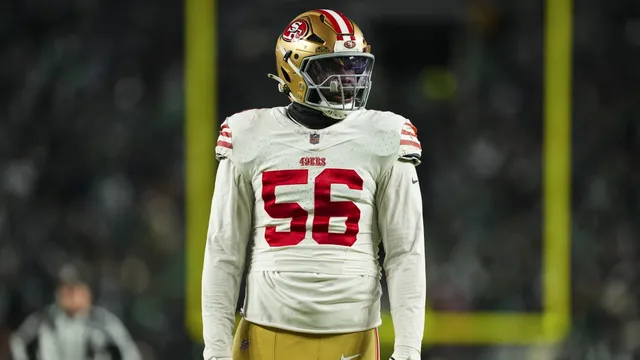
Keion White shot in ankle after Super Bowl in San Francisco
Keion White shot in ankle after Super Bowl in San Francisco
- Keion White sustained a gunshot wound to his ankle following a verbal altercation.
- He was taken to a local hospital and underwent successful surgery.
- The incident highlights ongoing safety concerns in San Francisco for both residents and athletes.
Story
In the early hours of February 9, 2026, a shooting incident involving Keion White, a defensive lineman for the San Francisco 49ers, occurred in the Mission District of San Francisco. The shooting happened around 4 a.m. following a verbal dispute between two groups at a local business. White, who was off celebrating the aftermath of Super Bowl LX that took place just hours prior, was shot in the ankle and subsequently required surgery. The police confirmed that the injuries sustained by White were non-life-threatening. As of now, the San Francisco Police Department is investigating the matter, seeking to identify any suspects involved in the shooting. This incident marks a troubling pattern, with the safety of athletes in San Francisco becoming a significant concern, given the past shooting incident involving a fellow 49ers player. The city is grappling with escalating violence, which undermines its image despite efforts to promote safety and revitalize the Bay Area post-Super Bowl.
Context
The history of athlete safety in urban areas has evolved significantly over the past decades, paralleling broader societal changes and advancements in understanding health and safety. Urban environments, characterized by dense populations and diverse activities, offer both opportunities and challenges for athletes. These areas often lack sufficient infrastructure for safe practice and competition, leading to an increased emphasis on safety measures for athletes at all levels, from youth sports to professional leagues. Historical events, including high-profile accidents and injuries, have catalyzed awareness around ensuring the well-being of athletes. Over the years, various sports organizations and governing bodies have implemented protocols to enhance safety, including mandatory protective gear, injury prevention programs, and emergency medical response plans, particularly in urban settings where immediate medical assistance may be crucial due to traffic and congestion. In the late 20th century, urban area's growing prominence as sports hubs led to a rise in organized sports activities. This shift brought to light the need for safe playing environments. However, many urban cities were marred by issues such as poor air quality, inadequate field conditions, and limited access to training facilities, which increased the risk of injury. Researchers and health officials began advocating for not just better quality facilities, but also safe routes to these locations, working with city planners to improve accessibility. Urban parks and recreation departments have increasingly focused on creating safe spaces for athletes, promoting inclusivity and reducing threats tied to crime and violence in some neighborhoods. Advocating for better urban design has been crucial in addressing these safety concerns, leading to innovations in planning and policy around public spaces for athletic practice and competition. In recent years, the integration of technology has further transformed athlete safety in urban areas. Use of wearables and tracking devices has empowered athletes and coaches with real-time data regarding performance and health metrics, enabling proactive risk management for potential injuries. In collaboration with urban planners and sports organizations, new technology-driven initiatives have emerged, such as smart fields and fitness apps that educate athletes about safe practices. City-sponsored programs promoting community engagement through sports and physical activities have fostered a supportive environment for young athletes, ensuring they have both access to safe spaces and resources needed for their growth. This collaborative approach has led to improvements in athlete safety, marking a comprehensive strategy that combines community effort, technological innovation, and policy reform to create safer urban environments. Furthermore, athlete safety protocols have also evolved in response to the global pandemic, emphasizing health safety and sanitary practices while training and competing in urban settings. Sports organizations have initiated comprehensive guidelines to mitigate the risk of virus transmission, ensuring athletes can safely participate and interact in their respective sports. These measures have influenced how facilities are designed and maintained in urban areas, with increased emphasis on clean environments and proper safety equipment. Moving forward, continuing to adapt to emerging social and health challenges will remain critical to athlete safety in urban landscapes. By investing in safe sporting environments and fostering supportive policies, cities can help ensure that athletes can thrive without putting their lives at risk.


