
politics
impactful
controversial

King Charles asserts unity in the US Congress amid tensions

Apr 28, 2026, 1:17 AM40
(Update: Apr 28, 2026, 2:38 PM)
English singer and songwriter
capital and largest city of the United Kingdom
state of the United States of America
bicameral legislature of the United States

King Charles asserts unity in the US Congress amid tensions

  • King Charles delivered a significant address to the US Congress focusing on the importance of the transatlantic alliance amidst tensions.
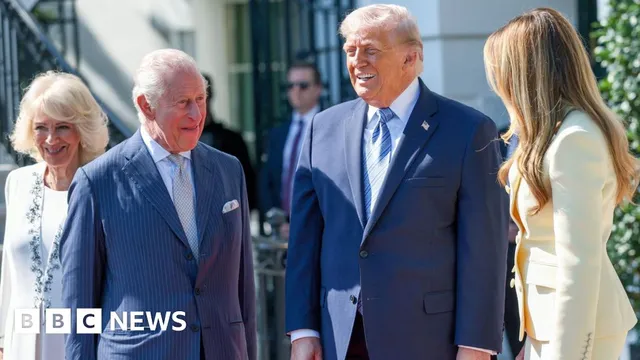
  • The royal couple's visit included a White House welcome and engagements with political figures and community advocates.
  • This state visit aimed to enhance UK-US relations during a critical year marking the US's 250th anniversary of independence.
Share opinion
Tip: Add insight, not just a reaction
4

Story

On April 28, 2026, King Charles made a historic address to the US Congress, the first by a British monarch since Queen Elizabeth II in 1991. This came amidst diplomatic tensions between the UK and US, especially following President Donald Trump's criticism of UK Prime Minister Sir Keir Starmer regarding the UK's stance on the conflict in Iran. King Charles emphasized the strength of the transatlantic alliance, highlighting the need for collaboration in defending shared beliefs through support for NATO and aiding Ukraine. Queen Camilla accompanied him on this visit, marking a significant moment in reinforcing the bilateral relationship during a year when the US celebrated its 250th anniversary of independence. During their visit, the royal couple engaged in formal ceremonies, including a military welcome at the White House, and attended a garden party hosted at the UK's embassy in Washington DC. The festive gathering included around 600 attendees, among them notable political figures like former Speaker Nancy Pelosi and Senator Ted Cruz. Culinary choices at the event, particularly beef sandwiches from a newly established tariff-free trade agreement, symbolized a progressive step in UK-US relations post-Brexit. Queen Camilla actively participated in discussions with campaigners addressing domestic abuse, although concerns over legal proceedings hindered some discussions. This visit aimed to soften diplomatic relations, especially since they followed troubling comments by President Trump regarding UK foreign policy. There were also strategic planning efforts by UK officials to manage interactions between King Charles and President Trump, purposely keeping them off-camera to avoid any incidents that could lead to embarrassment, reminiscent of the earlier encounter between Trump and Ukrainian President Volodymyr Zelensky. Overall, the royal visit sought to strengthen ties between the two nations, infusing a sense of shared heritage and cooperation, reflecting the needs of contemporary geopolitical landscapes. As the world watches the evolving dynamics, the address by King Charles and subsequent activities reaffirm the traditional links that bind the UK and US, underscoring the importance of maintaining robust diplomatic channels amidst shifting realities on the global stage.

Context

The historical context of UK-US diplomacy is characterized by a complex interplay of shared interests, cultural ties, and strategic alliances. The relationship between the United Kingdom and the United States has evolved from the colonial period through significant global events such as the World Wars, the Cold War, and into modern geopolitical dynamics. Initially, the connection between the two nations was strained due to the American Revolution, which led to a protracted period of rivalry. However, with the onset of the 19th century, both nations recognized mutual benefits resulting from collaboration, leading to a gradual rapprochement. This was solidified by ongoing trade and cultural exchanges, laying crucial groundwork for future diplomatic interactions. The early 20th century marked a pivotal point in UK-US relations, particularly during World War I, where the two countries strategically aligned against a common enemy. This collaboration not only fostered military partnerships but also established a foundation for political cooperation. Following the war, the signing of treaties and agreements further solidified their bond, demonstrating an increasing recognition of the importance of transatlantic unity in addressing global challenges. The interwar period was more tumultuous, but the alliance proved resilient, especially as the geopolitical landscape changed with the rise of totalitarian regimes in Europe. World War II saw the UK and US unite against the Axis powers, forging what would be known as the

2026 All rights reserved
