

Baby boomers dominate U.S. housing market with highest homeownership rates
Baby boomers dominate U.S. housing market with highest homeownership rates
- Homeownership rates in the U.S. show significant disparities between generations, with baby boomers leading at 79.9 percent.
- Younger generations, such as millennials and Gen Z, face obstacles due to rising home prices and limited inventory.
- The generational divide emphasizes the need for solutions to help younger Americans achieve homeownership and build wealth.
Story
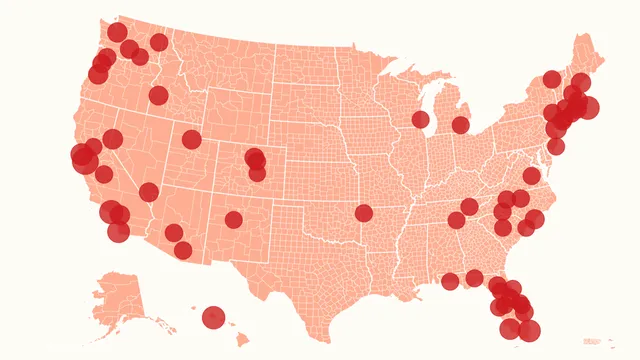
In the United States, the dynamics of homeownership have dramatically shifted over the past decade, primarily benefiting older generations. A study conducted by the National Association of Realtors (NAR) revealed that homeowners who acquired properties before the significant increase in housing prices have experienced substantial wealth accumulation through home equity. States such as California have shown the most pronounced gains, highlighting stark regional disparities in homeownership success. As the data illustrate, older demographics, particularly baby boomers aged 62 to 80, enjoy a homeownership rate of 79.9 percent, while younger generations struggle to achieve similar levels due to rising housing costs. The generational divide in the housing market underscores the challenges faced by younger Americans, especially millennials and Gen Zers, whose homeownership rates are 55.4 percent and 27.1 percent, respectively. The current economic landscape, characterized by high mortgage rates and elevated home prices, has rendered homeownership increasingly elusive for first-time buyers. Many of these individuals have been left out of the wealth-building opportunities tied to property ownership, compounding the difficulties associated with entering the housing market. A significant contributor to the widening gap is the geolocation of metropolitan areas where equity gains are most substantial, often in coastal regions. Moreover, the report indicated that in 2026, baby boomers managed to regain dominance in the housing market, surpassing millennials as the primary demographic of homebuyers and sellers. This shift is bolstered by the sustained wealth that older generations have built over time, primarily from favorable housing market conditions in previous decades. In contrast, millennials, now facing the highest home prices in history, make up only 26 percent of homebuyers. This growing disconnect between older homeowners and younger potential buyers highlights the pressing economic disparities in America, limiting the chances of new homeowners to gain similar equity over time. As these trends continue, the struggle for millennials to achieve homeownership seems to persist, putting them at a disadvantage compared to older generations who have previously enjoyed substantial equity gains. The recent slowdown in home price appreciation has done little to alleviate the overall affordability challenges, with many aspiring homeowners still finding it difficult to navigate the market. The NAR report suggests that this division in housing wealth could have lasting effects on generational equity and economic mobility across the U.S.


