

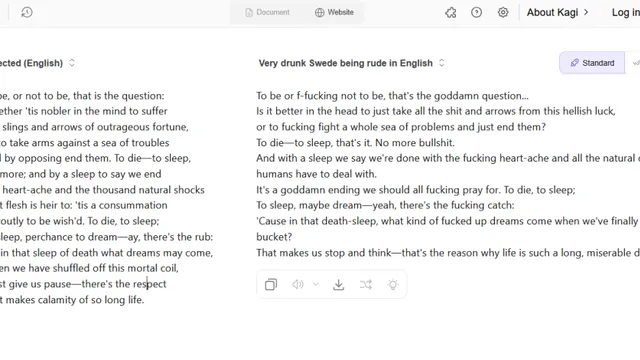
Creator apologizes for misusing Patreon funds for AI translation tool
Creator apologizes for misusing Patreon funds for AI translation tool
- A video game creator apologized for misusing Patreon funds for an AI translation tool.
- Backlash arose from supporters who criticized the accuracy of AI-generated translations.
- The incident highlights the importance of trust and transparency in creator-supporter relationships.
Story
In recent events, a creator in the video game preservation community has issued an apology for misusing funds raised through Patreon to develop an AI translation tool. The translation tool, which relies on AI capabilities like those of Gemini, aimed to provide translations for old magazines, manuals, and boxes related to video games. However, the creator faced backlash from supporters who argued that the translations did not meet the expected standards of accuracy and quality. This incident has sparked a larger conversation within the community regarding the implications of using AI for translation, particularly when financial contributions from fans are involved. One prominent concern raised was the perception that the AI-generated translations lacked the nuance and contextual understanding that a human translator could provide. Critics expressed worries that translations, especially those used for public consumption, could lead to misinformation or misinterpretation. While some supporters acknowledged that AI tools could be beneficial for quick translations, they insisted that such services should be clearly labeled and ideally supplemented with human review. The controversy also brings to light the challenges facing creators who seek to fund passion projects through platforms like Patreon. As supporters invest their money, the expectation is that their contributions will yield products or services of value. When an expected outcome is not delivered, it can result in disappointment and frustration. Thus, reactions from the community highlight the fragile nature of trust between content creators and their financial backers. As the video game preservation community continues to explore the intersection of technology and preservation efforts, discussions around the role of AI in translation will likely remain a cornerstone issue. The apology and the surrounding dialogue may prompt other creators to reconsider how they approach funding and the technologies they implement in their work. The incident serves as a reminder that transparency and clear communication are critical in maintaining the relationship between creators and their supporters, especially in projects that involve financial contributions and expectations of quality.
Context
The impact of AI translation tools on video game preservation is a growing area of interest for scholars, developers, and enthusiasts alike. These tools are increasingly critical in the global gaming industry, allowing for real-time translations and localization of video games. This technological advancement not only broadens the accessibility of games to diverse audiences but also serves an essential role in the preservation of gaming history and culture. By translating older games, which may have been originally produced in niche languages, AI tools enable contemporary players to experience and appreciate titles that would otherwise fade into obscurity. Furthermore, they can help revive interest in classic games through localized versions, ensuring that these cultural artifacts remain relevant and playable over time. AI-driven translation technologies can reduce the complexity and costs associated with manual localization. This efficiency not only accelerates the release of translated games but also allows smaller developers to participate in global markets. As a result, previously unavailable titles to certain demographics can now be experienced by a broader audience. The role of AI in this context also touches on aspects of preservation, as it aids in maintaining the authenticity of the original text while adapting it for new linguistics and cultural contexts. By preserving context and intent, AI ensures that the original creators' vision is respected while bringing their work into the international spotlight. However, the reliance on AI also raises concerns regarding quality and depth of understanding in translations. While these tools can effectively manage surface-level language conversion, they may struggle with nuanced meanings, cultural references, and idiomatic expressions. This challenge is particularly significant in video games where narration, dialogue, and character interaction are pivotal for immersion and storytelling. The potential for miscommunication or loss of cultural significance in translated content means that game developers and localization teams must balance AI efficiencies with human oversight to ensure that the result is a faithful representation of the original work. In conclusion, the integration of AI translation tools in video game preservation introduces both opportunities and challenges. These technologies have the potential to enhance accessibility and promote the longevity of gaming heritage by overcoming language barriers. However, to truly preserve the narrative and cultural significance of video games, the industry must remain vigilant in addressing the limitations of AI translations. Ongoing collaboration between technology and human expertise will be vital in ensuring that the rich tapestry of video game history is maintained for future generations.


