
politics
controversial
impactful

Peers face suspension for breaching House of Lords lobbying rules

Nov 24, 2025, 2:16 PM30
(Update: Nov 24, 2025, 4:46 PM)
upper house in the Parliament of the United Kingdom
British Army officer
British politician (born 1963)

Peers face suspension for breaching House of Lords lobbying rules

  • An undercover investigation by the Guardian newspaper revealed that both peers had violated lobbying rules.
  • Lord Dannatt corresponded with ministers about companies he had stakes in, while Lord Evans sponsored events for a business owned by his son.
  • Both peers will face significant suspensions, which have been upheld by the Lords Conduct Committee.
Share opinion
Tip: Add insight, not just a reaction
3

Story

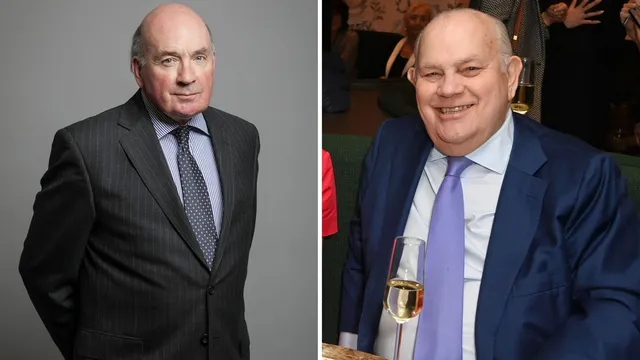
In the United Kingdom, two peers from the House of Lords, Lord Richard Dannatt and Lord Evans of Watford, are facing suspensions for breaching regulations about lobbying. The suspensions were prompted by separate investigations launched by the House of Lords' standards watchdog, following an undercover operation by a newspaper. Lord Dannatt is facing a four-month suspension while Lord Evans faces a five-month suspension. Both peers self-referred to the commissioner after making comments to undercover journalists, leading to the investigations. The findings established that Lord Dannatt corresponded with government officials regarding companies in which he had a financial interest, while Lord Evans sponsored events to promote a company owned by his son, creating a conflict of interest. Neither peer challenged the Commissioner’s findings or the proposed sanctions, which await approval from the House of Commons before being enforced. Such actions have raised concerns about whether these individuals acted in the public interest and adhered to their responsibilities as members of the House of Lords, leading to significant consequences for both individuals involved.

Context

The impact of lobbying regulations in UK politics has been a topic of considerable debate, particularly in light of recent events that have brought transparency and accountability to the forefront of public discourse. Since the introduction of various lobbying laws and regulations, there has been a growing recognition of the need to ensure that the influence of special interest groups is managed in a manner that preserves the democratic process. The Lobbying Act 2014 serves as a primary piece of legislation that regulates lobbying activities in the UK, requiring lobbyists to register and disclose their activities in relation to government officials. This effort aims to illuminate the often opaque interactions between politicians and lobbyists, safeguarding public trust in elected officials and government decisions. Critics, however, argue that the current lobbying regulations have limitations that undermine their intended efficacy. For instance, the definition of lobbying under the 2014 Act is considered too narrow, leaving out significant activities that might influence political outcomes, such as informal conversations and grassroots lobbying efforts. Furthermore, the compliance burden placed on lobbyists can deter participation, which some see as an unfortunate consequence of legislation that was meant to increase transparency. As a result, there remains a significant discourse surrounding how effectively the Act achieves its objectives and whether further reforms are necessary to enhance its effectiveness in curbing undue influence. Public accountability and the integrity of the political system are paramount, and the effectiveness of lobbying regulations continues to be scrutinized. The media plays a crucial role in this debate, amplifying instances where lobbying may lead to conflicts of interest and calling attention to cases of perceived favoritism. Moreover, advocacy groups have been vocal in highlighting instances where policy decisions may have been disproportionately influenced by lobbyists, thereby sparking calls for stricter regulations and oversight. The impact of lobbying regulations is thus a double-edged sword; while they aim to promote transparency, they also raise questions about the thresholds of acceptable influence within a democratic society. In conclusion, the impact of lobbying regulations in UK politics underscores the ongoing struggle to balance the interests of various stakeholders within the political arena. As society evolves, so too must the frameworks governing lobbying practices. Continuous evaluation of existing regulations is essential to ensure they adapt to the changing nature of political engagement and maintain the public's confidence in the democratic process. Ultimately, striking the right balance between regulation and allowing for legitimate advocacy remains a critical challenge for lawmakers aiming to foster a healthy political landscape.

2026 All rights reserved
