
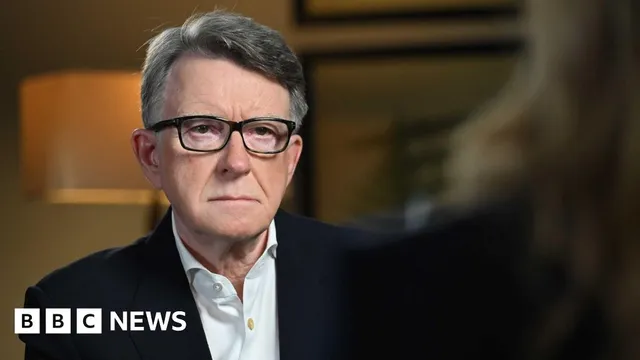
Epstein sent £10,000 to Mandelson's husband after prison release
- Documents indicate that Jeffrey Epstein transferred £10,000 to Reinaldo Avila da Silva in 2009 to assist with osteopathy course costs.
- Peter Mandelson, while serving as a government official, maintained a relationship with Epstein despite the financier's criminal history.
- Mandelson faced criticism for his association with Epstein, leading to public apologies to victims and discussions regarding his political future.
Story
In the United Kingdom, new documents released by the US Department of Justice reveal that Jeffrey Epstein transferred £10,000 to Reinaldo Avila da Silva, the husband of former UK business secretary Peter Mandelson, shortly after Epstein's release from prison in 2009. Reinaldo Avila da Silva reached out to Epstein to cover costs for an osteopathy course, providing his bank details and expressing gratitude for any assistance. Epstein promptly agreed to wire the requested amount, and subsequent emails confirmed the transaction had occurred. These documents shed light on the close ties between Mandelson and Epstein, suggesting a more involved relationship than previously disclosed. During this period, Peter Mandelson was serving as business secretary under Prime Minister Gordon Brown, further complicating the implications of this relationship given Epstein's criminal background. Following the release of these documents, Mandelson has faced scrutiny and criticism, leading him to apologize unequivocally to the victims of Epstein for his continued association with him post-conviction. In 2023, Mandelson married Avila da Silva, indicating a long-standing personal connection that dates back to their relationship spanning over three decades. The correspondence revealed in these files highlights concerns over the ethical ramifications of accepting money from a convicted sex offender. As more details come to light, questions arise about the nature of their interactions and the extent to which Mandelson was aware of Epstein's crimes. The political fallout from the revelations has placed pressure on the Labour Party regarding Mandelson's status, with calls to expel him from the party. This controversy illustrates the intersection of personal choices and professional responsibilities, especially in the context of high-profile political figures and their associations. The emergence of these emails has not only rekindled public interest in the abuses associated with Epstein but also raised questions about accountability and the moral obligations of public officials.
Context
The connections between UK political leaders and Jeffrey Epstein have garnered significant attention and scrutiny in recent years. Epstein, an American financier and convicted sex offender, had a network of high-profile acquaintances, and allegations regarding his illegal activities often intersected with powerful figures across various sectors, including politics. The implications of these connections raised questions about accountability, influence, and the ethical responsibilities of public figures in their associations. Understanding the extent of these connections requires a detailed examination of the individuals involved and the nature of their relationships with Epstein. Several prominent UK political figures have been linked to Epstein, sparking widespread media coverage and public concern. One of the most notable connections was that of former Prime Minister Tony Blair, who was reported to have crossed paths with Epstein during his time in office. Although there has been no evidence of wrongdoing on Blair's part, the mere association with such a controversial figure fuels suspicion and raises questions about the integrity of political leaders and their judgment in associating with individuals accused of serious criminal activities. Another significant figure is Prince Andrew, Duke of York, whose longstanding association with Epstein resulted in major public backlash. Prince Andrew has faced allegations related to his relationship with Epstein and alleged involvement with underage girls, leading to significant controversy, legal challenges, and his eventual withdrawal from public duties. This saga has not only affected Prince Andrew personally but has also cast a shadow over the British royal family's reputation, raising questions about their connections and relations with high-profile individuals, including those with dubious backgrounds. In the aftermath of these revelations and ongoing investigations, calls for increased transparency and accountability among political leaders have grown louder. Public trust has been shaken, and many argue for stronger measures to prevent any form of impropriety. The connections between UK political leaders and Epstein have exposed the potential for corruption and unethical behavior in the highest echelons of power. Consequently, these developments emphasize the importance of rigorous oversight and the need for political figures to be held accountable for their associations, particularly when they involve individuals with criminal histories.
