

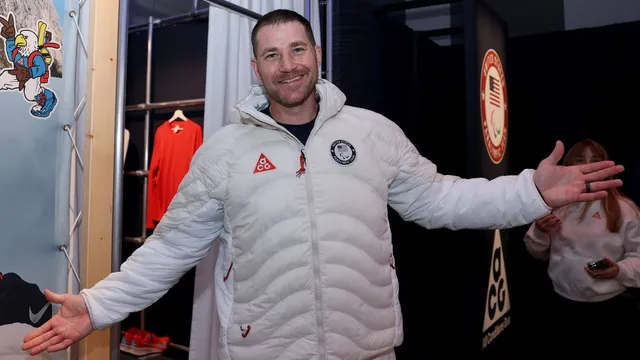
Mike Schultz leaves lasting impact on para sports with innovative equipment
Mike Schultz leaves lasting impact on para sports with innovative equipment
- Mike Schultz, a U.S. snowboarder, is set to retire after the 2026 Paralympic Winter Games, having won multiple gold medals.
- Visually impaired skier Meg Gustafson competes with her brother Spenser as her guide, achieving impressive rankings at the Milan Cortina Games.
- The collaboration between athletes and their support systems, exemplified by Schultz and the Gustafsons, showcases the evolving landscape of para sports.
Story
In the 2026 Paralympic Winter Games, Mike Schultz, a prominent U.S. snowboarder, reflected on his remarkable career as he prepared for retirement. Known for his contributions beyond competing, Schultz has built equipment tailored for para athletes, profoundly impacting the world of para sports. His journey began amidst personal challenges following an injury, leading him to channel his energy positively into creating advanced sports gear. That passion earned him gold and silver medals at the Paralympics, as well as at the X Games, showcasing his talent and resilience. His endeavors in the sport continue to inspire and propel newer generations of athletes in adaptive sports. Meanwhile, Meg Gustafson, a visually impaired para skier, has been competing successfully under the guidance of her older brother Spenser at the Milan Cortina Games. As a talented athlete with limited vision, she relied heavily on her brother’s support and precise directions throughout the challenging courses. The sibling duo, known for their strong bond, achieved notable results in giant slalom and alpine events, boosting their spirits in their quest for Paralympic medals. Communication is key in their collaboration as Spenser skis ahead to help Meg navigate the course, ensuring they perform at their best. The dynamic highlights how support systems play a critical role in the world of para sports. Athletes like Meg Gusafson and Mike Schultz not only exhibit extraordinary capabilities but also embody the tenacity required to overcome obstacles in their paths. As they leave their marks, the legacy of their hard work and commitment resonates through their performances and the collective advancement of sports for individuals with disabilities. The future of para sports appears bright, thanks to the innovations and encouragement from pivotal figures like Schultz and the close-knit teamwork of sibling athletes like Meg and Spenser. As the sporting world continues to evolve, there remains an inspiring journey ahead for aspiring para athletes, shaped by the dedication and history left by these gifted individuals. Their stories reflect the power of resilience, communication, and innovative support in the ongoing narrative of competitive sports for the visually impaired and athletes with disabilities.


