

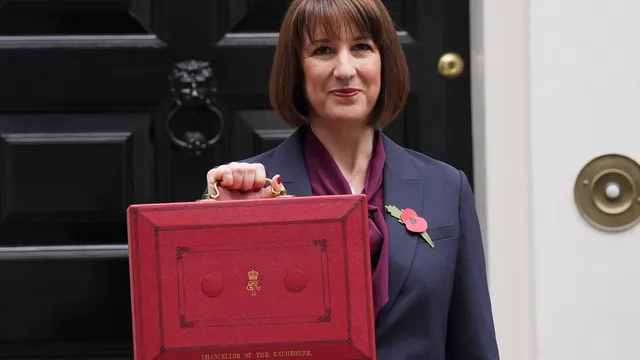
Rachel Reeves prepares mansion tax targeting high-value properties
Rachel Reeves prepares mansion tax targeting high-value properties
- Rachel Reeves is preparing to announce a mansion tax affecting high-value properties in her upcoming budget.
- This tax aims to generate significant revenue for the Treasury, raising concerns about its impact on the housing market.
- The proposed mansion tax highlights ongoing debates about equitable taxation and economic growth in the UK.
Story
The United Kingdom is currently preparing for significant changes in property taxation as a new mansion tax is set to be announced by Chancellor Rachel Reeves. This tax will specifically target homes valued over £2 million and is projected to generate approximately £400 million to £450 million for the Treasury. Approximately 2.4 million properties in the upper council tax bands—F, G, and H—will undergo revaluation to determine eligibility for the mansion tax surcharge, which is estimated to be an average of £4,500. However, concerns have been raised regarding the differential impact this tax may have on the housing market, especially in London, where high property values do not necessarily correspond to grand homes but often include smaller residential units that simply command high prices due to location. Critics of the mansion tax argue that it could inadvertently freeze the housing market by discouraging downsizing and encouraging homeowners to remain in their properties longer than they might otherwise wish. They point out that many of the homes affected do not resemble traditional mansions but are modest in size, which raises ethical questions about the fairness of the tax. Additionally, sources suggest that elderly homeowners might struggle with the potential burden of capital gains tax on property sales, combined with existing inheritance tax liabilities, creating a daunting financial landscape for families trying to navigate property sales in the context of care costs. Debate surrounding this tax encapsulates wider views on the government's approach to economic management. While some advocates herald the move as a step towards equity, others, including economists and commentators, express the fear that this could significantly deter investment and exacerbate existing issues in the housing market. The government has already ruled out targeting traditional workers for additional tax burdens, leaving strategic options for generating revenue limited to property and capital gains taxes. As the budget speech approaches, the urgency for clarity and coherent messaging from the Chancellor has never been more pronounced. The broader implications of the mansion tax could include reconfiguration of housing market dynamics in the UK. Should the proposed tax successfully generate the forecasted revenue, it may lead to additional funding for public services and infrastructure initiatives. However, if it leads to an exodus of wealthy individuals from the country or stifles movement within the housing market, it could counteract potential benefits and force the government to reconsider its current fiscal policies. Many financial analysts and political observers regard the imminent decisions as a pivotal moment for the Labour party, with potential long-term consequences for governance and public opinion heading into the next election cycle.


