
politics
impactful
innovative

Indonesia enforces new penal code, raising civil liberties concerns

Jan 2, 2026, 8:29 AM20
(Update: Jan 3, 2026, 12:20 PM)
country in Southeast Asia and Oceania
West Germanic language

Indonesia enforces new penal code, raising civil liberties concerns

  • Indonesia replaced its Dutch-era criminal law with a new penal code on January 2, 2026.
  • The revised code has stirred concerns among civil groups about its implications for civil liberties.
  • This new penal code represents both a legal modernization for Indonesia and significant fears surrounding authoritarian governance.
Share your opinion
2

Story

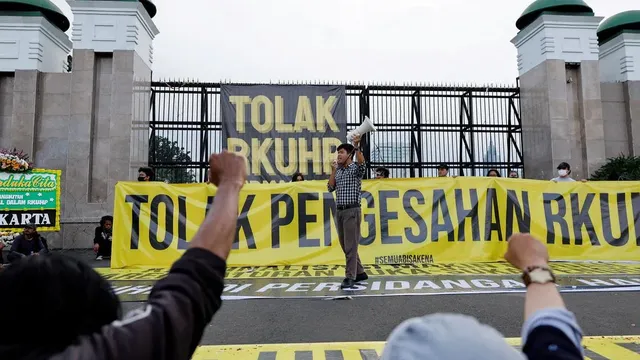
Indonesia, on January 2, 2026, began enforcing a newly ratified penal code, signaling a significant shift from the Dutch-era criminal law that had been in place for over 80 years. This development comes after decades of stalled efforts to revise the legal framework, which lawmakers struggled to align with human rights, religious norms, and local traditions in the predominantly Muslim nation. The new 345-page Indonesian Penal Code, known as KUHP, was passed in late 2022, and the transition period since then has finally culminated in its enforcement. Despite the government's assertion that this marks a turning point towards a more humane and just legal system, civil rights groups express serious concerns regarding potential infringements on civil liberties. The code includes provisions that criminalize sex outside of marriage and cohabitation, alongside restored prohibitions against insulting state officials and institutions. Critics argue these measures undermine freedom of expression and may usher in a more authoritarian governance style. The new law, also designed to maintain a five-year prison sentence for deviations from the teachings of the six recognized religions, reflects a continuing intertwining of legal and religious principles in Indonesia. Advocates for human rights perceive the revised criminal code as a step backward, as it appears to entrench obstacles against civil rights and offers opportunities for government overreach. The previous administration's attempts to revise the law faced substantial public backlash, culminating in widespread protests in 2019, which prompted a delay in legislative action. Government officials portray the adoption of the KUHP as historic, yet the apprehension from various civil society organizations, such as Amnesty International, indicates a persistent distrust in how newfound legal powers will be exercised. Therefore, while the government describes this change as a positive progression, many observers remain skeptical, fearing the implementation could lead to more significant repression of dissenting voices throughout Indonesia.

2026 All rights reserved
