

Personal information of 4,500 federal agents leaked online
Personal information of 4,500 federal agents leaked online
- A whistleblower leaked personal information of 4,500 ICE and Border Patrol agents to an online watchdog group.
- The leaked data includes details on agents and incidents of deportations and other abuses.
- This incident highlights growing discontent with immigration enforcement in the U.S. and has led to intensified calls for reform and transparency.
Story
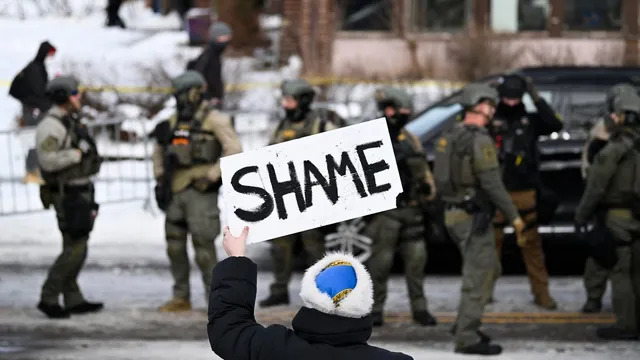
In the United States, a significant data breach occurred following the fatal shooting of Renee Nicole Good in Minneapolis. This breach saw the personal information of about 4,500 federal agents connected to Immigration and Customs Enforcement (ICE) and the Border Patrol being leaked to a watchdog group known as ICE List. The information included details on approximately 2,000 agents, 150 supervisors, as well as information about deportations, deaths in custody, and other abuses. It was stated that the majority of those identified in the leak are still employed by the Department of Homeland Security (DHS). The shooting incident, which involved ICE agent Jonathan Ross, sparked widespread protests and brought attention to the actions of immigration enforcement agencies. The alleged leak was reported by a whistleblower and is considered one of the largest breaches of federal agent data. Advocates for reform have stated that the incident reflects deep discontent within the U.S. government regarding immigration policies and enforcement measures. In response to the leak, DHS officials condemned the doxxing of law enforcement officers, citing an alarming rise in threats and assaults against agents. According to Tricia McLaughlin, the DHS Assistant Secretary, law enforcement has seen an increase of more than 1,300 percent in assaults and a substantial rise in vehicular attacks. Officials argue that such actions jeopardize the safety of officers and their families, linking the increased violence to a harmful political climate. Amid this turmoil, political figures introduced measures to increase transparency about the identities of ICE and CBP agents. Representative Ritchie Torres proposed a bill requiring enforcement personnel to wear uniforms featuring QR codes that would allow civilians to access information about the officers. The Trump administration responded harshly, arguing that this proposal would lead to widespread doxxing and heighten the risk faced by federal agents, who they claim are already under threat due to negative public sentiments driven by political rhetoric. Meanwhile, another Congress member, Shri Thanedar, called for ICE's abolition, asserting that the agency cannot be fundamentally reformed and must undergo significant restructuring for just immigration enforcement.


