

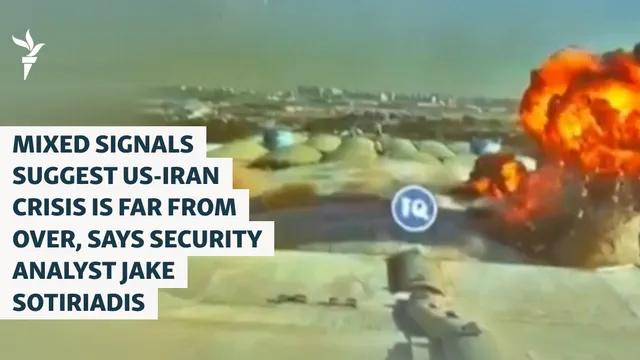
Iran halts negotiations with the US amid escalating tensions
Iran halts negotiations with the US amid escalating tensions
- Iran has suspended talks with the United States regarding the ongoing war, leading to increased tensions.
- The closure of the Strait of Hormuz has resulted in a significant rise in global oil prices.
- The situation highlights the complexities of US-Iran relations and the challenges in reaching a diplomatic resolution.
Story
In the context of ongoing tensions between the United States and Iran, both nations have expressed a preference to avoid a return to war, which has been on hold since a ceasefire was announced on April 8, 2026. Despite military exchanges, talks mediated by Pakistan, Qatar, and others have continued, although the Iranian regime remains on high alert. The situation escalated when Iran announced it was suspending negotiations with the US, a move that coincided with increased military actions in the region, particularly Israel's offensive in Lebanon. This decision has significant implications for global oil supply, as the Strait of Hormuz, a critical waterway, remains largely closed, leading to a sharp rise in oil prices. The US has powerful naval and air forces positioned near Iran, and the Iranian regime has indicated its willingness to retaliate against American bases if necessary. The ongoing conflict has resulted in a substantial reduction in oil and gas supplies, with the world losing around 20% of its usual exports. The US administration, under pressure from domestic and international stakeholders, is seeking a deal, but the concessions required by Iran are met with resistance from hardliners within the Republican Party. The situation remains precarious as both sides navigate the complexities of their geopolitical interests and the potential for further escalation in the region.


