

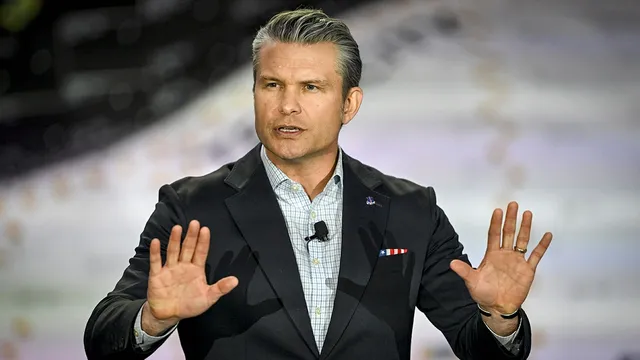
Pentagon demands policy changes from Scouting America to retain military ties
Pentagon demands policy changes from Scouting America to retain military ties
- Defense Secretary Pete Hegseth announced that Scouting America will change its policies to secure military support.
- The alterations include a requirement for members to use biological sex at birth instead of gender identity.
- These decisions reflect ongoing tensions between traditional values and contemporary societal changes within scouting.
Story
In the United States, significant adjustments are underway within Scouting America, a Texas-based organization. Defense Secretary Pete Hegseth announced these changes in February 2026, highlighting the imperative for Scouting America to align its policies with military values. The organization faces pressure to implement a requirement for members to identify using 'biological sex at birth,' a move reflecting Hegseth's criticism towards what he perceives as a drift into 'woke culture.' This modification follows a series of controversial shifts in Scouting America's history, including the acceptance of gay individuals and transgender students. Moreover, the Pentagon is evaluating its longstanding association with Scouting America, following a 2024 rebrand from the Boy Scouts that included welcoming girls into the program. The relationship between the military and the scouting organization has roots dating back to 1937, but recent criticisms have surfaced regarding the organization’s commitment to diversity, equity, and inclusion. The Pentagon's frustration is evident, as the leadership believes these developments stray from traditional principles, with Hegseth expressing a desire for a return to the original Boy Scouts concept focused solely on the development of young boys. Scouting America has made strides in addressing gender inclusivity since 2013, gradually allowing gay youth, lifting a ban on gay adult leaders, and accepting transgender individuals in 2017. Despite these progressive actions, Hegseth's vision for the organization reflects a rejection of liberal reforms. The Defense Department's review of the partnership aims to navigate these complex dynamics, advocating for a return to core values that resonate with military perspectives. Additionally, the Pentagon's remarks emphasize the organization's need to align more closely with ideals of traditional family structures and national values. As Scouting America gradually implements these policy revisions, the nature of its relationship with the Pentagon remains precarious. Previous statements indicated that some military support would continue contingent upon rapid reform. However, critics within and outside the organization view these changes as compromises that may alienate portions of youth who seek a more inclusive scouting environment. The ultimate challenge for Scouting America lies in reconciling its historical mission with the modern intersection of gender identity, inclusivity, and military cooperation, amidst shifting societal norms and expectations.
Context
Diversity and inclusion have become pivotal aspects of youth organizations, shaping their mission, engagement strategies, and overall effectiveness. Organizations that embrace diverse perspectives are better equipped to meet the needs of a varied youth population, fostering a sense of belonging among participants. This inclusivity not only enhances the emotional well-being of youth but also promotes mutual respect and understanding among different cultural, social, and economic backgrounds. Consequently, youth organizations that prioritize diversity witness increased participation, retention, and overall satisfaction among their members, which is essential for their longevity and impact. Moreover, the impact of diversity extends beyond individual benefits; it significantly enriches the organizational culture and promotes innovation. When individuals with varied backgrounds and experiences come together, they bring unique ideas and solutions to the table. This collective creativity can lead to improved programs and outreach strategies, making organizations more adept at addressing the complex challenges faced by today’s youth. Inclusion encourages open dialogue and shared learning, creating an environment where everyone feels valued and empowered to contribute, thus enhancing problem-solving and decision-making processes within the organization. Furthermore, the presence of diversity in youth organizations helps prepare young people for a globalized world. As these organizations cultivate an inclusive atmosphere, they are also equipping youth with critical life skills such as empathy, collaboration, and cultural competency. Participants learn to navigate and appreciate differences among peers, fostering essential social skills that will benefit them in future academic and professional environments. The early exposure to diversity and inclusion principles will influence their values and behaviors, shaping them into more responsible and adaptable citizens. Finally, the positive effects of diversity and inclusion in youth organizations extend to the broader community. Organizations that reflect the diversity of their community are more effective in building partnerships and mobilizing resources. As youth acquire skills in collaboration and understanding, they contribute to social cohesion in their communities, ultimately leading to enhanced community resilience and vitality. Therefore, the promotion of diversity and inclusion should not be viewed merely as a compliance measure but as a strategic approach that can significantly bolster the impact of youth organizations on individuals and society.


