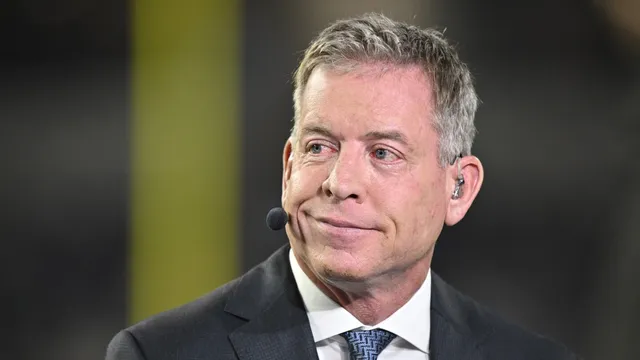
In a recent discussion, Troy Aikman, a Pro Football Hall of Famer, expressed his frustrations regarding the current landscape of Name, Image, and Likeness (NIL) deals in college athletics, specifically relating to UCLA's football program. Aikman shared that he donated a significant sum to a player who soon transferred to another school without acknowledging his contribution. This experience left Aikman disillusioned and influenced his decision to withdraw support for NIL initiatives going forward.
Aikman noted that the transfer portal has changed the dynamics of college football, making it feel like the 'Wild West'. He referred to his own experience transferring from Oklahoma to UCLA in the late 1980s and commented on the fact that players are now leaving schools frequently, leading to a more chaotic environment. His remarks highlight growing concerns among athletes and alumni regarding the ethics and long-term implications of NIL agreements, which have become commonplace in collegiate sports.
The conversation also touched on the broader implications of player mobility. Aikman highlighted the motives behind transfers and questioned whether they are driven by a better opportunity or financial incentives. He stated that while he does not fault players for seeking opportunities elsewhere, he emphasized the need for accountability, implying that players should remain committed to their programs once they accept compensation.
In light of these developments, Aikman called for more governance and structure within the NIL framework, emphasizing the necessity for guardrails to protect both players and schools. His candid opinions reflect a larger debate within college athletics, as stakeholders grapple with the fast-evolving nature of player compensation and transfer dynamics.
It remains to be seen how the landscape will evolve and if changes can be made to improve the current system. Aikman's experience and insights add a critical perspective on the discussions surrounding NIL, transfers, and their consequences for the future of college sports.