

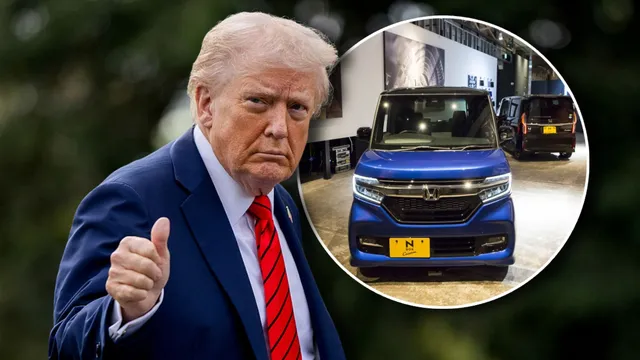
Trump moves to weaken vehicle fuel efficiency standards significantly
Trump moves to weaken vehicle fuel efficiency standards significantly
- Trump is expected to announce a major rollback of fuel efficiency standards today, which were imposed under Biden.
- The proposed changes aim to save American families approximately $109 billion overall.
- Critics express concerns that lowering emissions standards could worsen environmental issues.
Story
In the United States, President Donald Trump is scheduled to announce a significant rollback of fuel efficiency standards today in the Oval Office. This move is aimed at reversing the stricter regulations imposed during the Biden administration, which encouraged the production and sale of electric vehicles. Trump's administration argues that the new standards will provide substantial savings for American families, estimating up to $109 billion in total savings. Major U.S. automakers, including Ford, Stellantis, and General Motors, are joining the announcement and largely support the decision, viewing it as a means to align industry regulations with current market conditions. The proposed changes would significantly lower the fuel economy requirements for vehicles covering the 2022 to 2031 model year. The Corporate Average Fuel Economy (CAFE) standards, which originally emerged in the 1970s to reduce oil consumption and enhance vehicle efficiency, have been under constant revision over recent decades to reflect advances in technology and shifts in market demands. The Biden administration had previously enacted regulations that would raise fuel efficiency requirements substantially. As Trump takes steps to loosen these restrictions, he frames this policy shift as part of a broader agenda to reinvigorate the American automobile industry, thanking key industry leaders for their support. Critics, however, express concern that rolling back these regulations undermines environmental protections and could exacerbate reliance on fossil fuels, arguing that this action disregards the urgent need to address climate change. Environmentalists worry the rollback will feed into existing problems of high fuel consumption and gas prices. Trump's administration has faced scrutiny for its stance on electric vehicle production, as he aims to dismantle what he describes as the Democratic “EV mandate,” a mischaracterization of Biden's push for increased electric vehicle adoption. Looking ahead, Trump emphasizes that his vision is centered on providing consumers with choices and affordability through less stringent regulatory frameworks. Executives from the three major automakers highlight that this reset could result in lower vehicle costs for the public while still making strides toward carbon emissions reduction. The potential outcomes of this policy shift are significant, as they could reshape the landscape of the U.S. automotive industry, particularly concerning competition with foreign automakers who are heavily investing in electric vehicle technology. Breaking the cycle of stringent regulations appears to be at the forefront of Trump's agenda as he continues to navigate the challenges faced by the automotive market amid rising environmental pressures and demands for cleaner technology.
Context
The history of Corporate Average Fuel Economy (CAFE) standards from 1975 to the present day reveals a significant evolution in the United States' environmental and automotive policies. Established in response to the oil crisis of the 1970s, the CAFE standards aimed to improve the average fuel economy of cars and light trucks sold in the U.S. This legislative action was driven by the need to reduce dependence on foreign oil and to curb growing air pollution. The original standards established a target of 18 miles per gallon (mpg) for passenger cars by 1978, with subsequent increases aimed at enhancing fuel efficiency and reducing carbon emissions. Throughout the 1980s and 1990s, CAFE standards faced various challenges and reforms, as they were often criticized for their limited effectiveness in enhancing fuel economy, primarily due to loopholes and exemptions for certain types of vehicles. In 1985, the standards were capped for light trucks, leading to a rise in their popularity, which inadvertently undermined the overall fuel economy goals. However, with rising gas prices and heightened environmental awareness, the early 2000s saw renewed interest in CAFE standards, culminating in the Energy Independence and Security Act of 2007, which mandated an increase in average fuel economy to 35 mpg by 2020 for cars and light trucks. The late 2000s and early 2010s marked a pivotal period for CAFE standards as the Obama administration implemented aggressive targets aimed at achieving an average fuel economy of 54.5 mpg by 2025. These standards not only aimed to bolster fuel efficiency but also sought to reduce greenhouse gas emissions significantly. Alongside federal regulations, numerous automakers began to invest in innovative technologies, including electric and hybrid vehicles, in anticipation of meeting the stringent requirements. However, these ambitious plans faced scrutiny and rollback attempts with the change in administration in 2017, leading to discussions on the feasibility and future of CAFE standards in the current political climate. As of December 2025, CAFE standards continue to play a crucial role in shaping U.S. automotive policies and environmental strategies. The ongoing debates over these standards reflect broader societal concerns regarding climate change, energy independence, and economic viability. Current discussions focus on balancing fuel economy improvements with consumer preferences and industry capabilities, as electric vehicles gain momentum. The history of CAFE standards exemplifies the dynamic interplay between regulation, technological advancement, and public policy, showcasing a pathway toward a more sustainable automotive future.


