

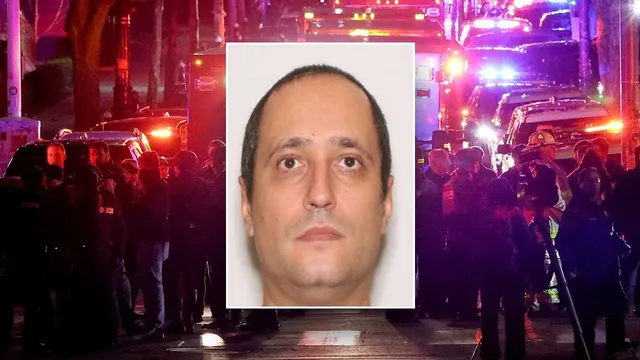
Brown University shooter identified as Claudio Neves Valente found dead
Brown University shooter identified as Claudio Neves Valente found dead
- A shooting at Brown University on December 16, 2023, resulted in two deaths and nine injuries.
- Claudio Neves Valente, a former student, has been identified as the suspect, later found dead in New Hampshire.
- Community efforts are focusing on mourning and addressing safety and mental health in the aftermath of the tragedy.
Story
On December 16, 2023, a tragic shooting occurred at Brown University in Providence, Rhode Island, resulting in the deaths of two students and injuries to nine others. The incident prompted a massive manhunt involving local and federal law enforcement agencies, who have since revived efforts to solicit information from the public. Despite the swift police response and hundreds of credible tips, the search continued without a suspect being apprehended immediately, leading to heightened anxiety within the campus and surrounding community. Investigators have emphasized their desire for additional video footage from the day of the shooting to assist in identifying a person of interest seen in surveillance images. Eventually, authorities identified Claudio Neves Valente, a former student of Brown University, as the main suspect. Valente was previously known to have attended the institution in the early 2000s and had connections to the academic community through his classmate, MIT professor Nuno F.G. Loureiro, who was later found murdered. Following a tip from a Reddit user, police were able to trace Valente’s whereabouts to a storage facility in Salem, New Hampshire, where he was located and pronounced dead shortly after the shooting and subsequent events at Brown University. This sequence of events has raised many questions, particularly concerning Valente's motives. The investigation into his past and connections suggests a complex background, with conflicting reports regarding his mental health and behavior leading up to these incidents. As a result, officials are scrutinizing the circumstances of the tragic shooting to prevent any future occurrences and to ensure community safety. Meanwhile, students and local residents are coming together to mourn and support each other during this challenging time, highlighting the fabric of the community that has been deeply shaken by this incident. As the investigation continues, it remains crucial to understand the extent of the challenges faced by law enforcement in preventing such incidents. Ongoing efforts to provide mental health support and increase campus security measures will likely come to the forefront in response to this tragedy, as stakeholders seek to address underlying issues in the academic environment that may contribute to violent acts.
Context
In recent years, the impact of school shootings on mental health has become increasingly apparent, necessitating a comprehensive approach to support the affected students, families, and communities. The psychological repercussions of such traumatic events can manifest in various forms, including anxiety, depression, and post-traumatic stress disorder (PTSD). Consequently, it is essential for schools and mental health professionals to implement effective support systems tailored to the unique needs of those impacted by these incidents. This report aims to highlight the importance of mental health support following school shootings and to outline key strategies for providing such assistance effectively. First and foremost, it is crucial to recognize that each survivor's experience is individual, and their responses to trauma can vary significantly. Therefore, mental health services must be flexible and responsive to those needs. It is beneficial to initiate support as soon as possible after a shooting occurs. Immediate counseling services can help children express their feelings and thoughts, thereby mitigating the long-term psychological effects of trauma. Schools can establish partnerships with mental health organizations to facilitate the provision of immediate support and resources, ensuring that trained professionals are available to assist students in coping with their emotional turmoil. Furthermore, peer support programs can play a vital role in aiding recovery. Programs that foster communication, camaraderie, and shared experiences can provide students with a sense of belonging and understanding. Facilitating safe spaces where students can share their feelings and experiences can be incredibly therapeutic. Additionally, involving families in the recovery process is equally important, as they often play a crucial role in the emotional healing of young individuals. Providing workshops and resources for parents can equip them with the necessary tools to support their children effectively. Long-term strategies for mental health support must also be prioritized. Schools should create a sustainable mental health framework that integrates ongoing counseling services, regular training for staff on trauma-informed practices, and continuous community engagement. Preventative measures, such as mental health education and resilience-building programs, can help equip students with coping strategies before they face crises. Ultimately, prioritizing mental health support in the aftermath of school shootings can make a significant difference in the healing process for affected students and communities, contributing to a safer and more supportive educational environment.


