

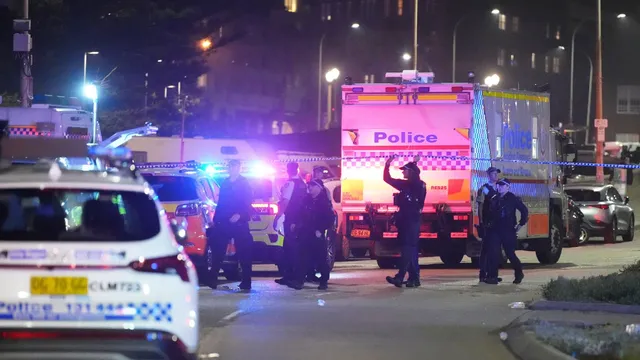
Suspect faces multiple charges over Bondi Beach terror attack
Suspect faces multiple charges over Bondi Beach terror attack
- On December 14, 2025, Naveed Akram allegedly opened fire during a Hanukkah celebration at Bondi Beach, killing 15 people.
- He faces 59 charges, including 15 counts of murder and is currently in a high-security prison.
- This incident has raised significant public concerns, prompting the Australian parliament to strengthen gun control and hate speech laws.
Story
In Australia, a significant legal case is unfolding following a tragic incident on December 14, when Naveed Akram allegedly opened fire during a Hanukkah celebration at Bondi Beach, resulting in 15 fatalities. Akram, 24, is currently incarcerated in the Goulburn Correctional Centre and recently attended a court hearing via video link. During this hearing, he sat in silence, wearing a green prison-issued jumper, only acknowledging the discussions regarding the non-publication orders related to the attack's details and the victims' identities. Police have charged Akram with a total of 59 counts in connection with the shooting, including 15 counts of murder and 40 counts of wounding with intent to murder. Additionally, Akram faces charges related to terrorism as authorities believe he executed the mass shooting in tandem with his father, Sajid Akram, who died during the incident. The horrifying event has been categorized as Australia's deadliest terror attack and largest mass shooting since the Port Arthur massacre in 1996. In the aftermath of the incident, there has been substantial public outcry, prompting the Australian parliament to take swift action by enacting stronger gun control measures and updating hate speech laws. The legal proceedings against Naveed Akram are anticipated to continue, with his next court appearance scheduled for April. His lawyer, Ben Archbold, indicated that it is too early for Akram to enter a plea and noted that they have not yet discussed the specifics of the attack. Archbold emphasized the importance of ensuring Akram receives adequate legal representation under the current conditions he faces in prison. While Akram awaits further legal proceedings, details surrounding the events of the attack have raised significant concerns about public safety and the potential for similar incidents in the future. As the court case develops, it remains uncertain how the legal and political landscape will shift in response to the ramifications of the Bondi Beach tragedy, including whether further reforms will emerge aimed at preventing violent acts of terror in Australia.
Context
In recent years, Australia has taken significant steps to enhance its gun control laws, particularly in response to incidents that have raised public safety concerns. The tragic events at Bondi Beach have further fueled discussions regarding the efficacy of existing regulations. In the wake of this incident, policymakers have recognized the necessity of revisiting and tightening gun control measures to prevent similar occurrences in the future. These developments reflect the ongoing commitment of the Australian government to prioritize public safety, while also acknowledging the public's perspective on gun ownership and its implications for community wellbeing. The Australian gun control approach has historically been rigorous, especially after the Port Arthur massacre in 1996, which catalyzed a response leading to substantial reforms, including a national buyback program for firearms. The current laws restrict access to automatic and semi-automatic weapons, impose strict licensing requirements, and mandate that all firearms be registered. Post-Bondi Beach, the Australian government is focusing on not only reinforcing these existing laws but also introducing new legislative measures aimed at further regulating the possession and use of firearms. This includes potential restrictions on the sale of firearms to ensure that only responsible citizens maintain access to such weapons. In addition to legislative changes, there has been an increased emphasis on community education and engagement regarding gun safety and responsible ownership. Programs aimed at educating potential gun owners about safe practices, the legal responsibilities of firearm ownership, and the potential risks associated with firearms are being implemented. The goal is to foster a culture of responsibility among gun owners and those considering gun ownership and reduce the stigma that often accompanies discussions about gun control. Furthermore, collaboration between law enforcement agencies and mental health professionals has been strengthened to ensure that individuals at risk of engaging in violence can receive the assistance they need before any incidents occur. As of February 2026, it is evident that the impact of the Bondi Beach incident has acted as a catalyst for a renewed dialogue around gun control laws in Australia. The government’s approach emphasizes a balance between the rights of responsible gun owners and the imperative to safeguard communities from gun violence. By continuously evolving and improving existing laws and fostering a culture of safety and responsibility, Australia aims to create a more secure environment for all its citizens. The strength of these measures lies not only in the legislation itself but also in the collective effort of the community to support public safety initiatives.


