

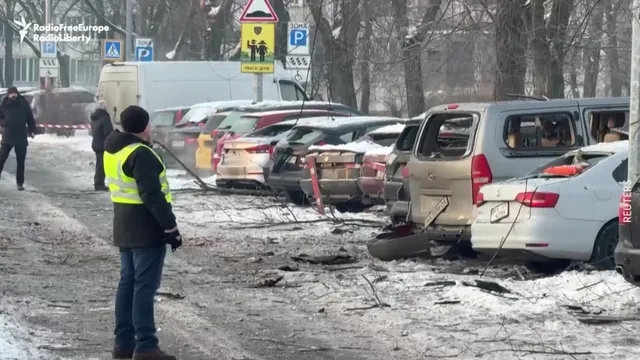
Drone strikes leave hundreds of thousands without power in Ukraine's south
Drone strikes leave hundreds of thousands without power in Ukraine's south
- Hundreds of thousands lost power in Zaporizhzhia due to drone strikes.
- Ukrainian President Volodymyr Zelenskyy emphasizes the need for international support to restore energy infrastructure.
- The attack is part of a broader strategy to undermine Ukrainian resilience during winter.
Story
In southern Ukraine, specifically within the Russian-occupied regions of Zaporizhzhia, hundreds of thousands of homes faced power outages after drone strikes occurred on Sunday, January 18, 2026. The Kremlin-installed authorities reported that more than 200,000 households in nearly 400 settlements were affected due to damages to the power networks. Ukrainian President Volodymyr Zelenskyy stated that the nation continues to face severe challenges in restoring its energy infrastructure, especially as winter temperatures drop significantly. The ongoing conflict has further exacerbated the situation, with Russian aerial bombardments intensifying efforts to undermine Ukraine's resilience. The drone strikes not only led to widespread power outages but also resulted in casualties, with at least two individuals reported dead due to Russian attacks across various regions, including Sumy, Kharkiv, Dnipro, Zaporizhzhia, Khmelnytskyi, and Odesa. Ukrainian officials confirmed that extensive damage was sustained by the energy infrastructure, which had already been weakened due to prolonged military aggression. In light of these incidents, President Zelenskyy emphasized the urgency of enhancing cooperation with international partners to boost electricity imports and procure necessary equipment for repairs and restoration of services. Amid this difficult energy situation, talks between Ukraine and the United States aim to address ongoing conflicts and seek diplomatic resolutions, highlighting that discussions resumed during the World Economic Forum in Davos, Switzerland. Ukraine's top negotiator, Rustem Umerov, indicated the delegation was focusing on practical mechanisms for potential peace agreements, particularly in light of the recent harmful strikes on Ukrainian territory. These talks help foster hopes for an eventual solution to the nearly four-year war that has immensely impacted infrastructure and civilian life in Ukraine. The humanitarian impacts of these recent strikes are dire, particularly during the coldest winter months in years, where many citizens are left without heating and electricity, which raises concerns for their well-being and survival. The challenge posed to Ukraine’s energy grid has not been seen in other regions, creating a unique situation for the Ukrainian government. Turkish President Zelenskyy committed to increasing efforts to restore power and heat for affected families while urging the international community for more assistance and support to pressure aggressors. Analysts argue that the ongoing attacks are strategically aimed at weakening the resolve of Ukrainian citizens, a tactic that has come to be seen as “weaponizing winter.” This tactic has drawn international scrutiny and debate regarding the applicability and ethics of using such methods in warfare, especially while civilian sectors are most affected during a harsh winter. The upcoming weeks will be critical for Ukraine as it navigates recovery efforts, peace talks, and continuing threats to their security.
Context
The ongoing conflict in Ukraine has significantly altered the landscape of energy infrastructure, particularly through the increasing use of drone strikes. The energy sector has faced numerous attacks aimed at crippling the country's ability to generate, transmit, and distribute power. Drone strikes, as a modern form of warfare, have provided both strategic advantages and new challenges in this context. Their precision and range have allowed for targeted attacks on major energy facilities, which has led to widespread disruptions in service and elevated concerns regarding energy security among both the civilian population and military stakeholders. As such, the impact of these strikes goes beyond immediate physical damage, threatening long-term sustainability and recovery of Ukraine's energy infrastructure. The situation demands urgent attention to prevent further destabilization of the energy market and to ensure the resilience of infrastructure against such asymmetrical warfare tactics. The immediate repercussions of drone strikes have been severe, with reports indicating that key power plants and substations have been primary targets. The destruction of critical energy assets can lead to substantial power outages, affecting millions of citizens and hampering essential services such as hospitals and emergency response units. Following these attacks, the government has faced challenges in both restoring power and defending against future strikes, often depending on international support and innovative technological solutions. The dynamic nature of these threats has forced Ukrainian energy authorities to reassess their defensive strategies, adopting a more integrated approach to cybersecurity and physical protection of the infrastructure. In economic terms, the continuous threats and disruptions to energy infrastructure result in financial instability and affect the overall economy of Ukraine. The energy sector is a significant contributor to the country's GDP, and attacks that compromise its functionality can hamper industrial production and export capabilities. Moreover, the reliance on alternative energy sources, while a potential short-term solution, requires substantial investment and logistics that may not be feasible amid ongoing conflict. Therefore, the drone strikes not only affect energy availability but also have cascading effects on economic recovery and stability. Looking ahead, it is crucial for Ukraine to bolster its defenses against drone attacks on energy infrastructure. This includes investing in advanced monitoring systems, enhancing military capabilities, and fostering international partnerships that can provide technological support. Furthermore, it is imperative to develop contingency plans that can ensure a quick recovery of energy services post-attack. The lessons learned from these strikes should inform future strategies not only in Ukraine but also in other conflict zones where energy infrastructure is at risk. By understanding the implications of drone warfare on energy security, stakeholders can take proactive measures to safeguard against the challenges posed by such threats, ultimately ensuring the resilience of Ukraine's energy sector in the face of adversity.


