

Airspace in UAE faces intermittent closures amid Iran conflict
Airspace in UAE faces intermittent closures amid Iran conflict
- The ongoing US-Israeli conflict has caused airspace in the UAE to close intermittently.
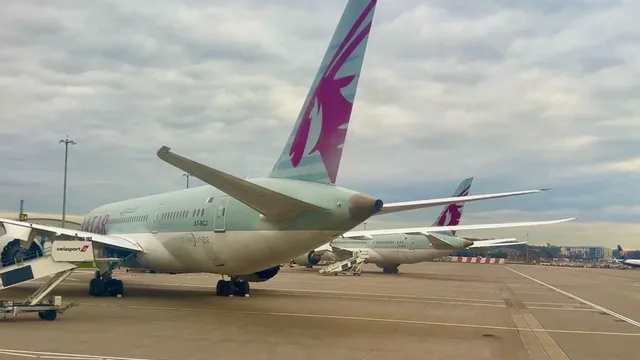
- Key airlines like Emirates, Etihad, and Qatar Airways are resuming limited flights amidst travel restrictions.
- Travelers should be aware of the risks and implications of traveling to the region, as advised by the Foreign Office.
Story
Since the beginning of the US-Israeli conflict involving Iran, airspace in the UAE has faced intermittent closures, causing travel disruptions and safety concerns. This ongoing conflict has prompted the Foreign Office to discourage all but essential travel to the UAE and Qatar, indicating significant risk for travelers. In response to the situation, major airlines such as Emirates, Etihad, and Qatar Airways are working to establish limited flight schedules from their hubs in Dubai and Abu Dhabi. While some smaller airlines continue to operate, these major carriers dominate the market for flights to and from the region. Despite the risks, options are gradually opening up for those who need to travel. Flights are being restored incrementally, yet travelers are advised to check their flight status closely and verify arrangements directly with airlines. Furthermore, in an effort to ensure passenger safety and maintain their operations during tumultuous times, Etihad is offering flexible booking policies, allowing for free cancellations on flights booked for travel until March 2027. While airlines are resuming services, the situation remains precarious for passengers, especially regarding travel insurance. The Foreign, Commonwealth & Development Office (FCDO) makes it clear that claims would only be covered if they do not relate to the reasons behind the travel advice. This complicates matters for travelers who must understand the implications of their journeys amidst ongoing tensions. Responses from authorities in the UAE and Qatar indicate a commitment to assisting anyone who might be harmed in the rare event of an attack. As travel patterns evolve, reports from various nations indicate discussions with airlines like Emirates and Qatar Airways to explore alternative transit hubs, such as the potential use of Colombo airport in Sri Lanka for travelers needing connections. These developments highlight the complex interplay of logistics, regional stability, and traveler safety, underscoring the delicate landscape that international travelers face in the current geopolitical climate.
Context
The ongoing conflict in Iran has significant implications for travel across the Middle East. As tensions rise, safety concerns have led to a decline in tourism in and around the region, with adjacent countries witnessing a spillover effect. Travelers are increasingly cautious, with many choosing to avoid destinations perceived as unstable due to the proximity to conflict zones. This apprehension not only impacts the overall number of visitors but also affects local economies heavily reliant on tourism, leading to job losses and decreased revenue for businesses supporting the tourism industry. Airlines operating in the region have revised their flight paths and policies due to the escalating unrest. Some airlines have suspended flights to and from Iran, while others are rerouting to avoid potential conflict areas. Consequently, the availability of direct flights to popular destinations in the Middle East is limited, which complicates travel plans and increases costs for travelers. This erosion of travel connectivity could lead to enduring changes in the market, with some travelers shifting their preferences to more stable destinations outside the region. Local governments have responded by enhancing security measures to reassure potential visitors. New protocols have been implemented at airports and within cities to foster a safer travel environment. However, these measures may not be sufficient to reverse the decline in tourism. Moreover, volatile political situations create a challenging landscape for businesses, where uncertainty can deter investment and long-term planning within the travel sector. In conclusion, the impact of the Iran conflict on Middle East travel is profound, affecting safety perceptions, travel logistics, and economic vitality within the region. As long as tensions remain high, the recovery of the travel industry may be hindered, leading to shifts in regional tourism dynamics. Stakeholders in the industry must navigate these complexities carefully to address the challenges posed by ongoing conflicts, ensuring that safety remains a priority while working towards revitalizing travel and tourism in the Middle East.


