

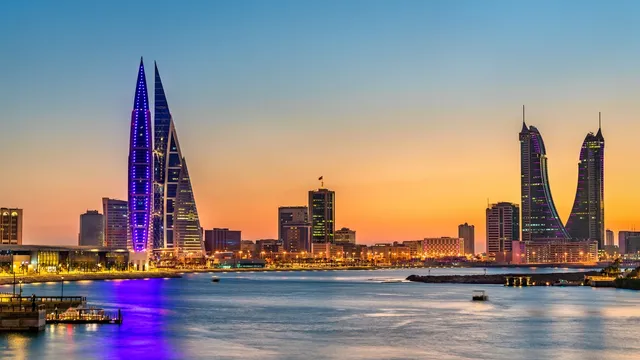
UK warns against non-essential travel to Bahrain amid conflict turmoil
UK warns against non-essential travel to Bahrain amid conflict turmoil
- The UK Foreign Office cautions against non-essential travel to Bahrain due to ongoing regional conflict.
- British nationals should limit movements to essential journeys only and register with the UK government.
- Travel within and out of Bahrain is at personal risk, making it crucial for travelers to stay informed and follow local regulations.
Story
Bahrain is currently facing significant travel disruptions as a result of ongoing conflicts in the Middle East. The UK's Foreign Office (FCDO) issued a warning on February 28, 2026, advising British nationals to limit their movements within the country to essential journeys only. This comes amidst heightened regional tensions and potential security risks posed by the conflict. Tourists currently in Bahrain or those planning to visit are encouraged to register with the UK government and comply with local authority instructions. The FCDO emphasizes that travel within or out of Bahrain is undertaken at one’s own risk, highlighting the unpredictability of the situation. Many international flights have been cancelled or delayed, leaving travelers stranded or uncertain about their plans. This has raised concerns among British nationals regarding their safety and access to essential supplies. If one opts to remain in Bahrain, the FCDO insists that travelers should ensure they have emergency supplies on hand, including essential medications. The advice extends to people using commercial travel options, who are advised to keep abreast of updates from their airline or tour agents regarding any border crossings or travel regulations. For those considering leaving Bahrain, alternative routes through Saudi Arabia may necessitate contacting British consular services, especially for those traveling on special documentation like Emergency Travel Documents or with passports nearing expiration. The FCDO reassures travelers that it is imperative to follow local news and the guidance provided by the Foreign Office to navigate the constantly changing landscape.A strong recommendation has been put forth to carefully evaluate any travel decisions, as safety remains the number one priority amid this volatile environment. In light of these developments, those looking to cancel pre-booked travel arrangements may have options available without incurring penalties owing to the significant changes in safety at the destinations involved. It is the responsibility of the traveler to consult their travel provider to discuss potential refunds. For travelers wishing to understand their insurance coverage, they should be aware that policies could become void if one travels against the advisories from the FCDO.
Context
The ongoing conflict in the Middle East has far-reaching implications not only for the region itself but also for global travel patterns. As tensions escalate between various factions and nations, travel advisories are frequently issued by governments worldwide, creating a pervasive sense of caution among potential travelers. The fear of violence, terrorism, and political instability often leads to a decline in tourist numbers, impacting not just local economies but also airline routes and logistics. Destinations that were once popular can become shunned overnight, leading to significant economic repercussions for countries reliant on tourism. Even regions that remain stable can experience collateral damage in terms of travel perception due to their proximity to conflict zones, further complicating travel decisions for individuals and organizations alike. Additionally, the consequence of heightened security measures cannot be overlooked. Airports and borders in and around the Middle East have tightened their protocols, which can lead to increased wait times and more rigorous screening processes for travelers. These measures, while crucial for ensuring safety, can deter potential visitors who are not only intimidated by the risks of traveling to conflict-prone areas but also frustrated by the hassle of additional security checks. As a result, airlines may adjust their schedules and routes, citing decreased demand, which can lead to reduced connectivity with the region and beyond. For travelers, the added effort and time required for navigating these security enhancements can turn potential trips into logistical nightmares. Travel insurance policies are also becoming an essential part of the travel planning process, as many travelers seek to protect themselves against unexpected cancellations or changes due to sudden violence or conflict escalation. Travelers are becoming increasingly aware of the importance of understanding the fine print of their insurance coverage, as not all policies provide adequate protection in conflict zones. This knowledge has led to a more considerable emphasis on researching destinations well in advance, as travelers seek to ensure they are making informed decisions based on current conditions. In summary, the effects of conflict in the Middle East on travel are profound and multifaceted. From altered travel patterns and the impact on local economies to heightened security measures and the evolving landscape of travel insurance, the ramifications of this political instability extend well beyond the borders of the regions directly involved. Tourists, businesses, and governments alike must navigate these complex challenges, informed by the continually shifting situation in the Middle East. As the global community grapples with these issues, it remains crucial to focus on dialogue and solutions that foster long-term peace and stability, which, in turn, would restore confidence in travel to and from affected regions.


