
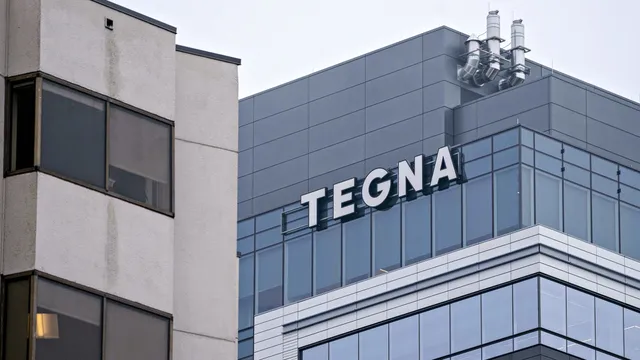
Judge halts $6.2 billion merger between Nexstar and Tegna
- A federal judge imposed a hold on the merger to review its implications.
- DirecTV and state attorneys general raised concerns about antitrust violations.
- The halt of the merger underscores ongoing tensions between large media operations and local news sustainability.
Story
In the United States, a significant legal development occurred as U.S. District Judge Troy L. Nunley issued a hold on the $6.2 billion merger between Nexstar Media Group and Tegna. This ruling came after a lawsuit was filed by DirecTV, which claimed that the merger would infringe upon federal antitrust laws. In addition, eight attorneys general, headed by California's Rob Bonta, filed a separate lawsuit on similar grounds, emphasizing that the merger might lead to higher television service costs for millions of Americans and endanger local journalism across the country. Judge Nunley's ruling underscored the potential consequences of the merger, stating that it could reduce competition significantly in multiple local markets and even close down local newsrooms. The judge authorized a 14-day temporary restraining order to facilitate further legal examination, scheduling a hearing for April 7. This order has halted the progress of the merger, creating uncertainty among stakeholders and the public. Earlier this month, the Federal Communications Commission and the Department of Justice had given the merger their approval, leading to considerable debate regarding the regulatory process. Notably, the FCC waived a rule that would have prevented a single entity from operating local television stations covering more than 39% of U.S. households; the merger would extend coverage to over 60%. FCC Chairman Brendan Carr defended this decision as legally permissible, while dissenting FCC commissioner Anna M. Gomez criticized the lack of transparency and full commission participation in the approval process. Nexstar, a significant player in local broadcasting with 201 stations in 116 markets, has advocated that this transaction is crucial for sustaining local journalism. Tegna operates 64 full-power broadcast stations, and if the merger were to proceed, it would create the largest operator of local television stations in the country. This legal battle raises questions about the future of local news outlets, competition in media markets, and the role of regulatory bodies in overseeing large mergers that can reshape the media landscape.
