

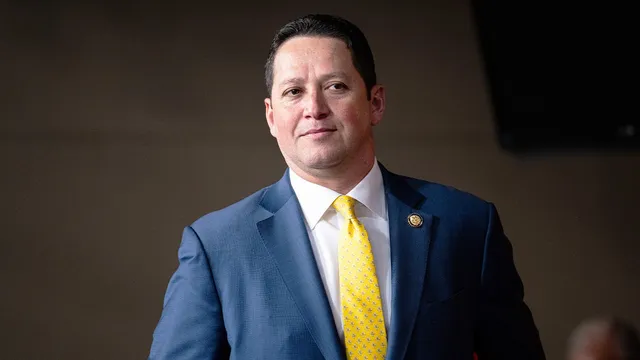
House GOP leaders urge Tony Gonzales to withdraw from re-election bid amid scandal
House GOP leaders urge Tony Gonzales to withdraw from re-election bid amid scandal
- House GOP leaders requested Tony Gonzales to step down from the re-election race amid a scandal.
- Gonzales admitted to having an inappropriate relationship with a staff member and now faces an ethics investigation.
- The ongoing scandal has prompted urgent calls for his resignation and raised questions about his political future.
Story
In Texas, House GOP leaders called on Representative Tony Gonzales to pull out of his re-election campaign due to a growing scandal involving an admitted affair with a staffer. The scandal began when allegations surfaced that Gonzales had a relationship with his late aide, Regina Santos-Aviles, which included sending her inappropriate text messages. Following this, the House Ethics Committee initiated an investigation into his conduct and strongly recommended he step down from his candidacy. Gonzales acknowledged his mistakes and expressed remorse for his actions while simultaneously maintaining that he has had no formal complaints during his six years in Congress. As pressure mounted from his peers, including fellow Texas lawmakers like Representative Brandon Gill, who urged Gonzales not to run, the Republican leadership deemed his continued candidacy detrimental. Despite the calls for resignation from several of his colleagues, Gonzales has insisted that he will not resign from Congress and feels that he still has support from voters in his district. He presented his perspective on the situation in various media interviews, where he expressed the belief that it was a coordinated political attack against him, especially coming close to the election period. Gonzales, who advanced to a runoff primary against conservative activist Brandon Herrera, addressed his relationship with Santos-Aviles in responses to media inquiries. He claimed he had not spoken to her since June of 2024 and distanced himself from any implications that he had contributed to her untimely death by suicide in September of 2025. Gonzales emphasized the positive contributions Santos-Aviles made during her employment and stated that she left no indications of distress at work. By acknowledging the lapse in judgment, he highlighted a need for a broader discussion about ethics within congressional offices while asserting his commitment to cooperate with the ongoing investigation. In essence, Gonzales has sought to navigate the intricate dynamics between personal scandals and political accountability as he battles for his political future. The backdrop of this controversy remains complex as Gonzales maintains an endorsement from former President Donald Trump, who has supported him in spite of the ongoing ethical investigation. The allegations have created significant turmoil among Republican ranks as they grapple with the implications of Gonzales's actions on their party's image and the potential repercussions leading into upcoming elections. If Gonzales decides to stay in the race, he will likely face an uphill battle against Herrera, who is eager to claim the position he nearly won last election cycle. Gonzales's future hinges on both the outcome of the election and the federal investigation findings regarding his conduct in office.


