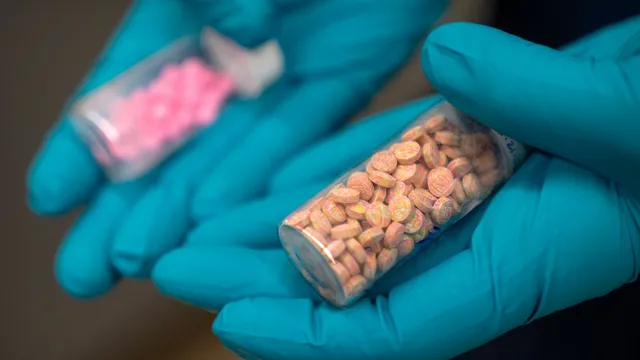
The impact of fentanyl overdoses in the US has reached alarming levels, becoming a major public health crisis. Fentanyl, a synthetic opioid that is 50 to 100 times more potent than morphine, is often mixed with other illicit drugs, leading to unexpected overdoses among users. The increasing prevalence of fentanyl has been linked to a significant rise in opioid-related deaths across the country. According to the Centers for Disease Control and Prevention (CDC), synthetic opioids, predominantly fentanyl, were involved in nearly 70% of all opioid-related deaths in 2021, highlighting the urgent need for effective interventions and prevention strategies. This escalating trend has prompted policymakers, health professionals, and communities to seek solutions to combat the devastating effects of fentanyl overdoses on individuals, families, and society as a whole.
In addition to the tragic loss of life, the fentanyl crisis has considerable economic repercussions. The costs associated with healthcare, emergency response, and lost productivity due to opioid overdoses are substantial, placing an ever-increasing burden on the US healthcare system and the national economy. Estimates suggest that the total economic cost of opioid misuse, including fentanyl, exceeds $1 trillion annually. This figure not only takes into account immediate healthcare expenses but also considers long-term impacts such as rehabilitation costs, lost wages, and the effect on the workforce. Thus, addressing the fentanyl crisis is not just a public health imperative but also an economic necessity, invoking the need for comprehensive policies and resources to tackle both prevention and treatment.
Public health initiatives aimed at reducing fentanyl overdoses have gained momentum in recent years. These initiatives include expanding access to naloxone, a life-saving medication that can reverse opioid overdoses, and increasing awareness about the dangers of fentanyl. Educational programs that inform users about the risks and encourage safer drug use practices are crucial in reducing the stigma and preventing overdose incidents. Concurrently, the integration of substance use disorder treatment into healthcare services can provide individuals struggling with addiction the necessary support and resources to recover. This multifaceted approach requires collaboration across various sectors, including healthcare, law enforcement, and community organizations, to effectively combat the fentanyl crisis in all its forms.
Looking forward, it is essential to continue analyzing data and trends related to fentanyl overdoses to adapt strategies as the situation evolves. Innovations in treatment modalities, along with the development of new policies aimed at curbing fentanyl distribution, will play a significant role in mitigating the crisis. Equally important is the need for ongoing research into the social determinants of health that contribute to substance use disorders, as understanding these factors is key to developing targeted interventions. The impact of fentanyl overdoses in the US remains a critical challenge; however, with concerted effort and collaborative action, it is possible to make meaningful progress toward reducing the depth of this crisis.