

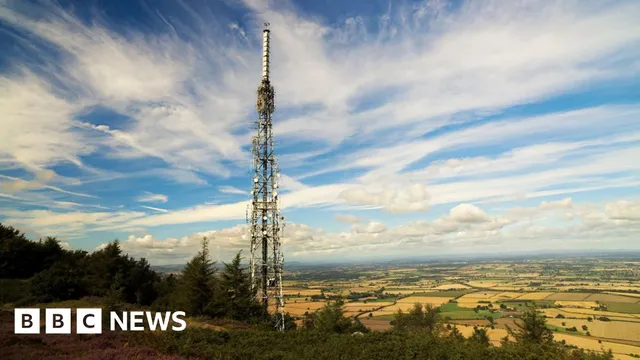
Wrekin transmitter resolved planning dispute despite opposition
Wrekin transmitter resolved planning dispute despite opposition
- The Wrekin transmitter began operations after overcoming significant local opposition related to environmental concerns.
- Initial planning for the transmitter began in the 1960s amid debates over its location and environmental protection.
- Today, the Wrekin transmitter is essential for broadcasting services in Shropshire and symbolizes technological progress in the region.
Story
In the United Kingdom, a significant dispute regarding the location of a TV transmitter unfolded in Shropshire over the course of several years. Initially, the BBC recognized the necessity for additional transmission sites to support its color TV service, which started in 1967. The first tests for a transmitter at the Wrekin began in 1964, but strong resistance arose from local preservationists concerned about the environmental impact on the site, an area with historical significance as it hosted an Iron Age hill fort. Consequently, a planning application for an alternative location at Stiperstones was submitted, resulting in a protracted period of discussions, investigations, and opposition. This ongoing contention escalated to debates in Parliament, prompting ministerial intervention. In 1972, after extensive negotiations aimed at addressing the concerns of environmental activists, a crucial compromise was reached to relocate the planned structure outside the confines of the historical site. Ultimately, government approval enabled construction to proceed, leading to the transmitter commencing operations on December 5, 1975. Over time, the Wrekin transmitter has evolved into a vital communication hub, now operating with more advanced technology, catering to the needs of the local populace. Today, it is regarded as a symbol of progress and connectivity in the region, continuing to inform and entertain residents across Shropshire and into the West Midlands.


