

Iran faces chaos as supreme leader dies during US-Israeli offensive
Iran faces chaos as supreme leader dies during US-Israeli offensive
- Supreme Leader Ali Khamenei's death marks a critical turning point in Iran's leadership amid escalating US-Israeli military actions.
- The US strategy aims to limit Iran's power without entrenching itself in long-term nation-building efforts.
- The ongoing conflict raises vital concerns about Iran's future and the possible shift in regional power dynamics.
Story
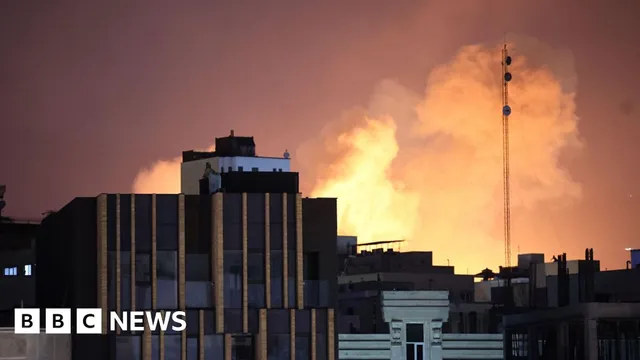
Recent events have plunged Iran into unprecedented turmoil following the death of Supreme Leader Ali Khamenei, who ruled for 36 years, amidst a sustained US-Israeli air campaign. This dramatic shift comes at a time when tensions between Iran and both the United States and Israel have reached a boiling point. Analysts suggest that Khamenei's death and the targeting of other senior military and clerical figures could disrupt the regime's ability to consolidate power and may pave the way for potential internal changes. This situation presents a unique opportunity for the Iranian opposition to influence the political landscape, although it remains uncertain whether they can capitalize on it effectively. The strategic objectives of the US administration under Donald Trump differ significantly from previous military interventions, like those in Iraq or Afghanistan. Analysts, including Ilan Berman, emphasize that Washington's strategy focuses on limiting the Iranian regime's power while avoiding the extensive institution-building typically associated with regime change. The targeted airstrikes have raised questions about America’s commitment to enduring conflict, with some Iranian leaders possibly seeking a diplomatic off-ramp if they believe regime change is imminent. However, experts like Berman warn that failing to seize the moment could result in a significant missed opportunity for change in Iran. Compounding the situation, Iran's military response has been aggressive and expansive, with missiles launched at various countries across the region. This act aligns with Iran's ambition to escalate the conflict into a broader regional war, a strategy also expressed by analysts observing the fallout following Khamenei’s death. The targeting of vulnerable leadership within Iran reflects a calculated approach by the US and its allies to incite potential unrest and limit military retaliation capability. While regional proxy forces have not yet engaged directly in the conflict, their involvement remains a concern that could dramatically alter the current dynamics and extend the conflict past Iranian borders. As events unfold, the implications for the Middle East are significant. The interplay of political power, military strategy, and international diplomacy is particularly precarious given the region's history of volatility. The death of Khamenei, alongside the ongoing air campaigns, raises essential questions about the future of governance in Iran and the potential for a shift in the political order. Although military analysts assert that US forces have substantial munitions available to achieve near-term objectives, long-term stability and outcome remain uncertain. It is crucial for both American and Israeli political leadership to consider the profound implications of their military strategies concerning Iran and the risks involved in failing to understand the broader consequences of their actions.
Context
The death of Ayatollah Ali Khamenei marks a significant turning point for Iranian politics, potentially altering the power dynamics within the government and its relationship with the populace. As the Supreme Leader, Khamenei has held an unprecedented level of influence since the 1989. His leadership has been characterized by a consolidation of power around the Supreme Leadership and its affiliated institutions, such as the Revolutionary Guard and the religious clerical establishment. With Khamenei's passing, there is uncertainty surrounding who will succeed him and how this will affect the existing political framework and the various factions within Iran’s political landscape. The prevailing concern is whether his successor will maintain Khamenei's hardline policies or pursue a different approach that could lead to reforms or a shift towards more moderate governance, thus potentially reshaping Iran's domestic and foreign policies. The anticipated power vacuum could lead to internal struggles among different factions vying for control, potentially intensifying existing rivalries among hardliners and reformists. The conservative factions may seek a successor who aligns with their ideological stance, while reformists may push for someone more moderate, representing a coalition that could address ongoing social issues and economic hardships faced by the citizens. The response to Khamenei's death by the Iranian public could also play a pivotal role in this transition. If the citizens call for reform and representation following the loss of a leader long synonymous with the status quo, this may prompt a re-evaluation of governance priorities. Additionally, the geopolitical ramifications of Khamenei's death are significant, particularly regarding Iran's relations with other nations. Under Khamenei's leadership, Iran has been involved in contentious relationships with countries such as the United States and regional rivals. The international community will closely monitor the political shifts in Iran, with possibilities of shifts in its stance on nuclear negotiations and involvement in regional conflicts. How new leadership navigates these relations will be critical in determining the future course of Iranian foreign policy, especially if they choose to engage in diplomacy that previously was met with resistance. Ultimately, the impact of Khamenei's death on Iranian politics remains uncertain. It is crucial to observe how the institutional powers within Iran adapt, how various political factions realign, and how the populace responds in the absence of a leader who has significantly shaped the contemporary political landscape. The transition of power in any regime can lead to both opportunities for change and challenges that may inhibit progress, and Iran's political future will undoubtedly be influenced by how these dynamics unfold in the wake of Khamenei's death.


