

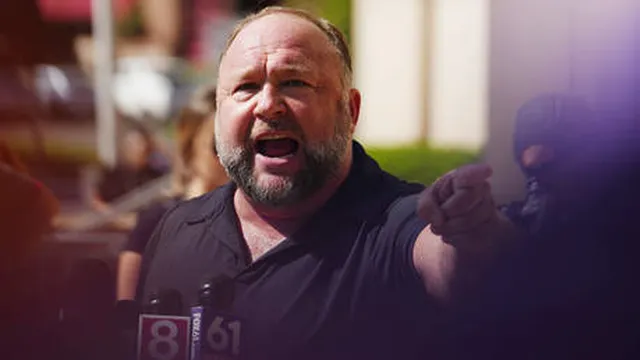
The Onion seeks to parody InfoWars amid legal battle
The Onion seeks to parody InfoWars amid legal battle
- The Onion has proposed a licensing deal to run Infowars as a parody site amidst Alex Jones' bankruptcy proceedings.
- The proposed deal would allow The Onion to manage Infowars' platform for six months at $81,000 a month, with an option for extension.
- Jones publicly disputes this move and plans to continue broadcasting through alternative platforms while contesting the deal.
Story
In the United States, The Onion has proposed a court-backed licensing deal to take control of Infowars, the media platform created by Alex Jones. Submitted to a Texas state court, this proposal would allow The Onion to manage the platform’s brand and operations on a temporary basis. The licensing agreement is linked to the ongoing bankruptcy proceedings of Jones' company, Free Speech Systems, which owes over $1 billion in defamation judgments stemming from false claims made about the Sandy Hook Elementary School shooting. The plan is designed to last six months at a cost of $81,000 per month, with an option for a six-month renewal. This initiative aims to rebrand Infowars as a parody site, transforming the controversial content previously associated with Jones into satirical material. As part of this endeavor, comedian Tim Heidecker has been named creative director to lead this new direction. However, this plan is still subject to court approval and remains contested by Jones, who argues that the licensing of Infowars would misrepresent the platform and confuse its audience regarding its identity. Previous attempts to auction off Infowars were hindered when a bankruptcy judge rejected The Onion's bid earlier in 2024. Alex Jones declared bankruptcy following multiple law suits, where he faced large defamation penalties due to his highly publicized claims about the Sandy Hook tragedy. The shooting, which resulted in the deaths of 20 children and six educators, incited massive backlash against Jones and led to legal actions from victim's families, resulting in multi-million dollar judgments against him. Should the deal proceed, The Onion's plan could result in profits benefitting the Sandy Hook families, as indicated by Onion CEO Ben Collins. However, Jones has stated that he will continue broadcasting his show through alternative platforms and networks, maintaining the same content under a different branding strategy. The court is set to discuss this licensing arrangement at a hearing scheduled for April 30, 2026, and Jones has not ruled out pursuing further legal action against the proposal, which he perceives as an infringement upon his rights as the original creator of the platform. This situation marks a significant moment in the ongoing saga surrounding Infowars, especially considering Jones' history of promoting conspiracy theories and facing significant legal repercussions. The Onion's attempt to humorously reclaim and reshape Infowars reflects a notable blend of satire and serious social commentary, as they navigate a complex landscape of media responsibility, truth, and the consequences of false narratives in journalism today.
Context
Alex Jones is a controversial figure known for his role as a media personality and conspiracy theorist, primarily through his platform InfoWars. He began his career in the mid-1990s with a public access television show in Austin, Texas where his conspiratorial viewpoints started gaining traction. Over the years, Jones expanded his influence by launching InfoWars in 1999, a website and later a media network that promotes alternative news, conspiracy theories, and fringe viewpoints. His style is characterized by a dramatic and often sensationalist approach, combining elements of traditional radio broadcasting with a new media presence that leverages social networks to reach a wide audience. As he gained prominence, he also drew ire for promoting numerous unfounded conspiracy theories that have often sparked controversy and government scrutiny, most notably those surrounding events such as the September 11 attacks and the Sandy Hook Elementary School shooting, which he falsely claimed was a hoax. InfoWars thrived on the premise of challenging mainstream narratives, particularly around issues such as government surveillance, public health, and international relations. Jones positioned himself as a warrior against what he termed the "globalist elite," appealing to a segment of the population disenchanted with traditional media and political frameworks. His broadcasts often include guests from various backgrounds, contributing to discussions that align with his conspiratorial views. This platform has allowed him to cultivate a dedicated base of followers who believe in his interpretations of events and view him as a source of truth in an increasingly polarized media landscape. The infamy of Alex Jones and InfoWars reached a peak with lawsuits and legal battles stemming from his claims regarding the Sandy Hook shooting. In a series of defamation lawsuits brought by the families of the victims, Jones faced significant legal pressures that underscored the potentially damaging effects of misinformation. By 2022, he was ordered to pay substantial damages as a consequence of his statements, illustrating the broader implications of spreading baseless conspiracies. These legal challenges led to an intense scrutiny of his practices, resulting in several social media platforms banning him and InfoWars, considerably curbing their reach in mainstream discourse and limiting their capacity to influence public opinion. Despite these setbacks, Jones has continued to express adamant defiance and promote his viewpoints through alternative channels. The history of Alex Jones and InfoWars illustrates larger themes surrounding the intersections of media, politics, and public belief systems in the digital age. As technology transforms how information is disseminated, Jones represents a fusion of ideological fervor and media savvy, making him a pivotal figure in discussions about misinformation and its impact on society. The legacy of InfoWars continues to provoke debates on free speech, media responsibility, and the dangers of unchecked conspiracy theories, particularly as misinformation's visibility grows in the political realm. Consequently, Jones remains emblematic of a notable shift in contemporary media consumption, where the lines between credible journalism and conspiratorial narratives increasingly blur.


