
politics
controversial
impactful

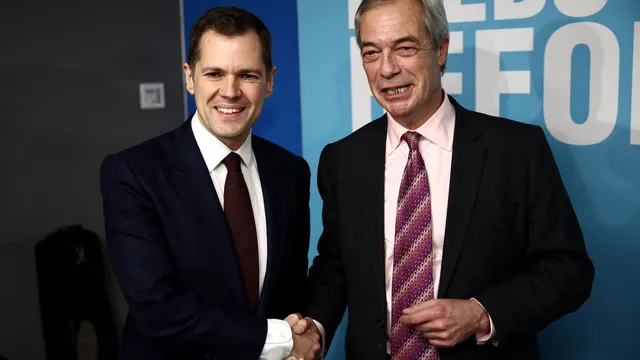
Nadhim Zahawi joins Reform UK after peerage snub

Jan 12, 2026, 12:21 PM40
(Update: Jan 16, 2026, 12:59 AM)
British politician
British political party

Nadhim Zahawi joins Reform UK after peerage snub

  • Nadhim Zahawi, a former Conservative Minister, defected to Reform UK after his request for a peerage was denied.
  • His past controversies include breaching ministerial codes regarding his tax issues, leading to significant public scrutiny.
  • Zahawi's shift illustrates a potential trend of Conservative MPs seeking affiliations elsewhere amid internal party challenges.
Share opinion
Tip: Add insight, not just a reaction
4

Story

In the United Kingdom, former Conservative Minister Nadhim Zahawi has made headlines after defecting to Reform UK, a party led by Nigel Farage. This decision reportedly came after Zahawi was denied a nomination for a peerage by Kemi Badenoch, a prominent figure within the Conservative Party. Zahawi, who served as a minister in various roles from 2018 to 2023 and was particularly known for his short tenure as Chancellor, claimed that the UK is at a critical juncture and needs leadership from Farage to effect a 'glorious revolution.' Zahawi's resignation from the Conservative Party comes after he was sacked as chairman for breaching ministerial codes regarding his tax affairs, leading to a significant controversy around his political integrity. His appeal for a peerage was rejected, indicating ongoing concerns within the Tory leadership about his past controversies, including substantial financial penalties he faced related to tax disputes. Zahawi's past criticisms of Farage have shifted dramatically, as he now supports the very leadership he once argued against, framing it as a necessary step to provide effective governance in the face of current national challenges. The shift reflects broader dynamics within UK politics, as Reform UK is increasingly seen as an alternative for disgruntled Conservative MPs. Zahawi is among several high-profile figures to leave the Tories in search of new political affiliations, suggesting a significant unrest within the party. His defection emphasizes a tug-of-war for political legitimacy, as Reform UK attempts to position itself as a viable force in challenging the current Conservative government and its policies. As Zahawi joins the ranks of previously disillusioned former Conservative allies now with Reform UK, his decision prompts critical dialogues on loyalty, ambition, and the overall political landscape in Britain. The evolving narrative suggests that Zahawi’s defection may not be the last as more political figures reevaluate their allegiances amid shifting public sentiment towards the Conservative Party and calls for reforms in governance.

Context

The political landscape in the United Kingdom as of January 2026 is marked by significant transformations driven by a combination of societal shifts, economic pressures, and evolving public sentiments. With the last general election occurring in late 2025, the political dynamics showcase a landscape that continues to fracture along traditional party lines, while new movements emerge that challenge the status quo. Analysis indicates that key issues such as climate change, economic inequality, and social justice have dominated public discourse, influencing voter behaviors and party strategies. The rise of grassroots movements and independent candidates signifies a growing disillusionment with established political parties, suggesting that the electorate is seeking more representative and accountable leadership. As these currents swirl, the competition between the traditional parties and new entrants becomes increasingly critical in shaping policy directions and electoral outcomes. The Conservative Party, having faced considerable internal strife following a series of electoral setbacks, is in a state of re-evaluation, focusing on its core messaging and constituency engagement to regain lost ground. With leadership changes and strategic realignments, the party aims to reconnect with its base while grappling with ideological divergences that have surfaced between moderates and hardliners. On the other hand, the Labour Party is experiencing a resurgence, propelled by its commitment to progressive reforms and active engagement with younger voters driven by issues they prioritize, such as housing affordability, climate action, and educational reform. However, navigating its internal factions remains critical to maintaining momentum and unity. The Liberal Democrats and other smaller parties have also found niches, particularly in urban regions where progressive agendas resonate widely. Their ability to capitalize on dissatisfaction with larger parties could see them become influential players in the coalition politics that are likely to define future governance in the UK. Additionally, nationalist sentiments in Scotland and Northern Ireland continue to shape debates over independence and relationships within the union, with ongoing calls for referendums adding to the complexity of the political environment. As these parties grapple with their positions, the discourse around regional autonomy and representation remains pivotal in discussions of national governance. In light of these developments, the outlook for the UK's political future remains uncertain. The potential for coalition governments or minority administrations indicates that compromise will be essential in advancing legislative agendas. Voter engagement and turnout in upcoming elections will be crucial to understanding public sentiment and the viability of emerging political movements. The pressures on government leadership to address pressing issues, while managing internal party dynamics and external challenges, will be critical in determining the trajectory of UK politics moving forward. Ultimately, the need for responsive governance and a clear vision for the future will shape the electoral landscape in the coming years.

2026 All rights reserved
