
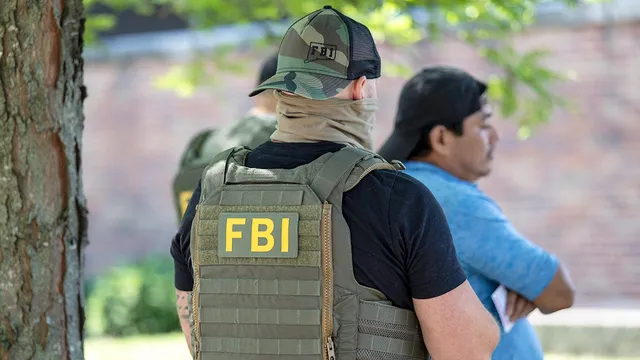
Illinois man threatens FBI agent using stolen data
- In January 2023, government vehicles were vandalized, resulting in the theft of FBI documents and personal information.
- Jose Alberto Ramirez is charged with threatening an FBI agent using this stolen information, escalating the situation.
- This incident reflects the increasing threats faced by federal officials amidst rising civil unrest.
Story
In January 2023, protests erupted in Minneapolis, Minnesota, following the shooting of a Venezuelan immigrant by federal immigration agents. During these protests, participants vandalized government vehicles and stole critical documents, including personal information of FBI agents. The breach was severe as it allowed for personal details such as residential addresses, phone numbers, and emails of at least 15 FBI officials to be made public. In the months that followed, following this leak, the affected agents began to receive threats and harassment, including ominous messages and alarming drive-bys at their residences, leading to heightened concerns for their safety. One of the individuals who allegedly threatened an FBI official was Jose Alberto Ramirez, a 28-year-old man from Illinois. He faces multiple charges connected to his threats made against an FBI special agent whose personal details were compromised due to the theft. Court documents reflect that Ramirez sent menacing text messages directly referencing the agent's family, escalating the intimidation and fear surrounding the incident. Text messages and voicemails revealed a pattern of aggression, with messages declaring knowledge of the agent's family home locations, updated and sent using a phone number linked to Ramirez. Ramirez's relationship to the FBI agent was further contextualized by his threatening history; he was previously terminated from his job at the Woodfield Mall in Schaumburg, Illinois, for threatening another employee. Court records outline Ramirez's criminal background, revealing multiple felonies and misdemeanors including domestic battery and burglary. His aggressive behavior and repeated criminal history raise questions about his psychological state and the overall implications of such threats toward federal officials during a time of civil unrest. The intimidation aimed at the FBI personnel following the breach of their confidential documents has highlighted a broader issue facing federal agencies amid increasing political tensions and public dissent regarding immigration policies. Threats against federal agents, such as those from Ramirez, contribute to a climate of fear and resentment against law enforcement authorities, particularly in the context of immigration enforcement actions. Ramirez’s case underscores the troubling trend of harassment and the rising risks that federal workers face, reflecting the volatile intersection of public sentiment and governmental authority.
Context
The impact of FBI document leaks on agent safety has become a pressing concern as the increasing frequency of unauthorized information disclosures threatens the integrity and security of law enforcement operations. Document leaks, often facilitated by both internal and external actors, can compromise the safety of agents and their ongoing investigations. The FBI, which has a critical role in national security and law enforcement, faces unique challenges in safeguarding sensitive information. When internal documents are leaked, they not only create operational risks but also expose agents to potential retaliation or harm from individuals or organizations targeted in ongoing investigations. As a result, the dynamics of agent safety have become intricately linked to the flow of information within and outside the agency. In addition to physical safety risks, document leaks can lead to significant reputational damage for the FBI and its agents. Public perception of the agency is crucial for effective collaboration with community partners and for maintaining public trust. When classified or sensitive documents are made public, it can lead to negative narratives about the agency's operations, causing concern among the public and eroding confidence in law enforcement practices. Moreover, compromised investigations can have far-reaching implications, hindering the prosecution of suspects and allowing criminal enterprises to operate with enhanced impunity. Therefore, safeguarding against leaks not only protects individual agents but also upholds the FBI's credibility as a vital law enforcement institution. In response to these challenges, the FBI has implemented various measures aimed at mitigating the risks associated with document leaks. These strategies include the development of enhanced training protocols for agents on the handling of sensitive information, as well as increasing technological safeguards to prevent data breaches. The agency has also focused on fostering a culture of accountability and vigilance among its personnel, emphasizing the importance of safeguarding classified documents. Additionally, collaboration with external cybersecurity experts has become a focal point for the bureau, as it seeks to leverage advanced technologies to thwart unauthorized access to sensitive information. These proactive measures are critical to ensuring that agents can operate safely while fulfilling their duties. Ultimately, the implications of FBI document leaks extend beyond immediate safety concerns; they reflect broader issues within the realm of national security and law enforcement integrity. Safeguarding against these leaks is essential not only for the protection of agents but also for the effective functioning of the agency in its mission to combat crime and protect citizens. As threats continue to evolve in the digital age, the FBI must remain vigilant in reinforcing its security protocols and adapting its strategies to maintain both agent safety and operational effectiveness. The ongoing challenge will be to balance transparency and the public's right to information with the critical need for secrecy and protection of those who serve within law enforcement.
