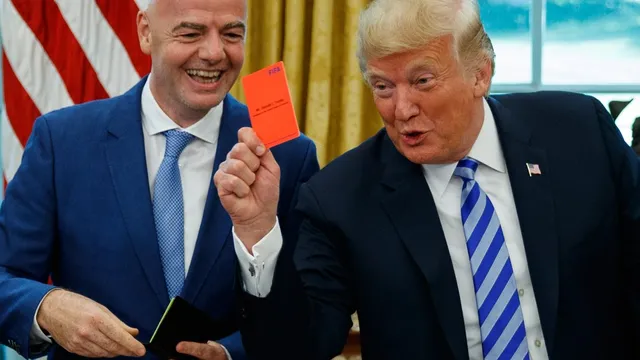
The impact of political influence in sports governance is a multifaceted issue that has garnered significant attention in recent years. Political entities often play a crucial role in shaping the policies and regulations that govern sports organizations, which can lead to both positive and negative outcomes. On one hand, government support can provide essential funding and resources for sports development, infrastructure, and community engagement. This support can enhance the overall quality of sports programs and increase participation rates among various demographics. However, the intertwining of politics and sports governance can also lead to corruption, favoritism, and a lack of transparency, undermining the integrity of sports organizations and competitions.
One of the most notable examples of political influence in sports governance is the involvement of national governments in international sporting events. Governments often seek to leverage these events for national pride and international recognition, which can lead to significant investments in sports infrastructure and promotion. However, this can also result in the prioritization of certain sports over others, often influenced by political agendas rather than the needs or interests of the athletes and communities involved. Furthermore, the pressure to perform well on the international stage can lead to unethical practices, such as doping and match-fixing, as nations strive to achieve success at any cost.
Additionally, the governance structures of sports organizations themselves can be heavily influenced by political considerations. Leadership positions within these organizations may be filled based on political connections rather than merit, leading to a lack of accountability and effectiveness in decision-making. This can create an environment where the interests of a few individuals or groups take precedence over the broader goals of promoting fair play, inclusivity, and athlete welfare. The consequences of such governance can be detrimental, resulting in scandals that tarnish the reputation of sports and erode public trust.
In conclusion, while political influence in sports governance can provide necessary support and resources, it also poses significant risks that can compromise the integrity of sports. It is essential for stakeholders, including athletes, fans, and governing bodies, to advocate for transparency, accountability, and ethical practices within sports organizations. By fostering a culture of integrity and prioritizing the needs of athletes and communities, the negative impacts of political influence can be mitigated, allowing sports to thrive as a platform for unity, competition, and personal development.