

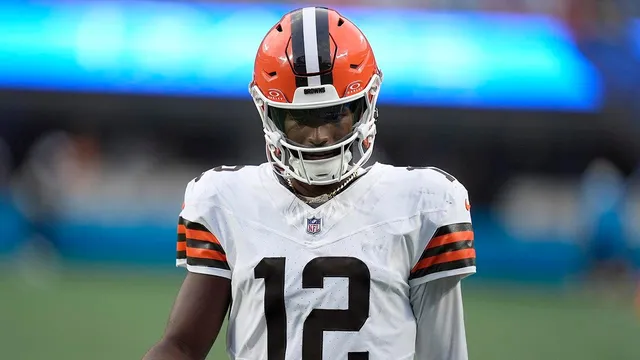
Todd Monken faces skepticism as Browns head coach after drafting Shedeur Sanders
Todd Monken faces skepticism as Browns head coach after drafting Shedeur Sanders
- Todd Monken has been appointed as the head coach of the Cleveland Browns after previously serving as offensive coordinator with the Baltimore Ravens.
- Shedeur Sanders is entering his second NFL season and will be working under Monken's leadership, amidst speculation regarding the new head coach's experience.
- Fans are divided on Monken's ability to lead effectively, particularly in guiding Sanders and addressing the team's performance challenges.
Story
In Cleveland, Ohio, Shedeur Sanders is preparing for his second NFL season with the Cleveland Browns under new leadership. The team recently appointed Todd Monken as the head coach, making it his first time in this role at the NFL level after decades of working as a coach at various levels. Monken is well-known for his successful tenure as offensive coordinator for the Baltimore Ravens, where he helped quarterback Lamar Jackson excel. His coaching capabilities are under scrutiny as fans express doubts about how he would translate that success into a head coaching role. Monken's introduction to Sanders sparked considerable chatter among NFL observers. Upon meeting Sanders, he humorously remarked about the Ravens’ previous interest in drafting the quarterback, which has fueled speculation regarding his sincerity. Fans criticized this statement, pointing out that Monken is the one who passed on Sanders multiple times during the draft. Some expressed skepticism about whether Monken truly valued Sanders as a prospect or if it was simply an offhand comment to boost morale. The background of this coaching change focuses on the Browns' attempts to revitalize their performance after parting ways with former head coach Kevin Stefanski. The pressure on Sanders to elevate his gameplay in his second season adds weight to the discussion surrounding Monken's capabilities. Many are curious whether Monken can effectively guide Sanders and the team amid a competitive conference and significant expectations resting on their shoulders. As the Browns head into the upcoming season, they hold both high first-round draft picks and a veteran quarterback in Deshaun Watson, creating uncertainty in quarterback strategy. With rising expectations from fans and analysts alike, Monken's philosophy and approach to player development will be closely monitored during this pivotal period for both Sanders and the entire organization as they strive for improvement on the field.
Context
The influence of head coaches on rookie quarterbacks is a critical aspect of professional football that can significantly affect a player's development, performance, and career trajectory. Understanding this dynamic is essential, as rookie quarterbacks often enter the league with varying levels of preparedness and skill set, and the head coach plays a vital role in shaping their success. The head coach not only establishes the offensive scheme and game plan but also sets the tone for the team's culture and environment, which can be crucial for a young player adapting to the rigors of professional football. It is widely recognized that a supportive and knowledgeable head coach can provide the necessary guidance and mentorship, which can help a rookie quarterback flourish in their early years in the league. Additionally, head coaches with a history of working with young quarterbacks can contribute positively to a rookie’s confidence and performance on the field. Statistical analyses have shown that rookie quarterbacks who are paired with experienced head coaches tend to perform better in their first few seasons compared to those who lack coaching stability. Coaches who employ simplified offensive systems allow for a smoother transition for rookies, focusing on developing their fundamental skills rather than overwhelming them with complex plays. Moreover, successful head coaches often emphasize a strong support system, which includes surrounding the rookie quarterback with capable players and resources, such as experienced backup quarterbacks, that can assist in the learning process. This leads to not just improved individual performance but also enhances a rookie quarterback’s ability to integrate seamlessly into the team dynamics. Furthermore, the influence of a head coach extends beyond just gameplay strategies; their leadership style can significantly impact a rookie's psychological readiness and resilience. A coach who provides constructive feedback, instills confidence through positive reinforcement, and fosters open communication can markedly improve a rookie's mental fortitude and their ability to handle adversity. Conversely, a negative or overly critical approach may hamper development and lead to decreased performance levels as rookies struggle to gain confidence in their abilities. This psychological aspect is as important as tactical training, highlighting the multifaceted role a head coach plays in developing rookie quarterbacks. In summary, the role of head coaches in the development of rookie quarterbacks is paramount in determining their success in the NFL. By providing structure, emotional support, and effective communication, a head coach can significantly elevate a rookie quarterback's performance and career outlook. As teams continually seek to develop their young talents, the impact of head coaching becomes even more pronounced, emphasizing the need for strategic alignment between coaching philosophies and quarterback development objectives. Understanding this relationship helps to highlight the intricate balance of skills, leadership, and mentoring that defines successful quarterback development in the highly competitive atmosphere of professional football.


