

Durham Wildlife Trust takes action to restore seagrass meadows
Durham Wildlife Trust takes action to restore seagrass meadows
- Durham Wildlife Trust has initiated trials of seagrass plantings in the rivers Don and Aln in late November 2025.
- The initiative seeks to learn about the conditions necessary for successful seagrass growth in historical habitats.
- Successful restoration efforts could result in improved marine ecosystems and water quality, contributing to biodiversity conservation.
Story
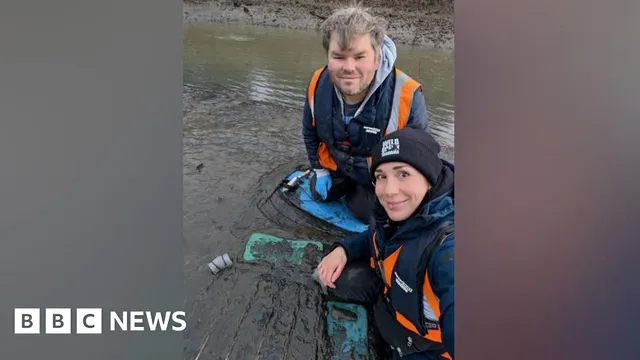
In late November 2025, Durham Wildlife Trust commenced a trial planting of seagrass in the rivers Don and Aln, located in northeast England. After extensive background work over the prior two years, this initiative aims to reintroduce a marine plant species that has faced significant habitat loss due to human activity and environmental changes. The seagrass plants were cultivated at a nursery in Hartlepool and transported to trial sites after comprehensive biosecurity checks to ensure their health and survival. Dr. Martina Bristow, the trust's seagrass and seaweed research officer, reported that the fledgling plants appeared healthy upon installation. The significance of the trials lies in their potential to inform future plantings and identify factors influencing seagrass survival in previously thriving areas. Established as crucial to marine ecosystems, seagrass meadows support diverse marine life, improve water quality, and capture carbon effectively. While some plant loss is anticipated during the transplant process, researchers are committed to understanding the challenges and enhancing the survival rates through ongoing assessments. A third planting at Wansbeck Estuary is also planned to continue the efforts. In a related initiative, Surrey Wildlife Trust is working to raise £1 million to combat the decline of various species in Surrey, with one-third of local wildlife reportedly at risk. This appeal underscores a broader concern regarding biodiversity loss in the UK, compounded by climate change. Both projects highlight the urgent need for action to restore and protect vital natural habitats across regions in England, ensuring a future where wildlife can thrive. The ongoing work in both Durham and Surrey epitomizes a growing recognition of the intertwined relationship between conservation efforts and addressing climate issues. By restoring these ecosystems, not only can the immediate challenges be met, but broader environmental benefits can be achieved, serving to educate and engage local communities in conservation efforts.


