

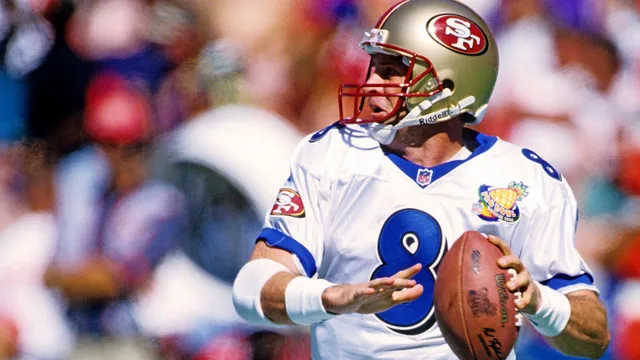
NFL Pro Bowl Games turn into embarrassment on Tuesday night
NFL Pro Bowl Games turn into embarrassment on Tuesday night
- The Pro Bowl has been rebranded as the Pro Bowl Games and incorporates a new format that features flag football.
- This year's event took place on February 3, 2026, in San Francisco, coinciding with Super Bowl XL.
- Critics and fans have expressed disappointment over the new format, marking it as an embarrassment for the NFL.
Story
The 2026 Pro Bowl Games happened in San Francisco on February 3, as the league shifted its traditional all-star event to Super Bowl week. This rebranding saw the Pro Bowl replaced by a flag football format to avoid injury, showcasing elite athletes in a fast-paced, non-contact environment. The decision to hold the event on a Tuesday night drew widespread criticism, highlighting a significant departure from the event's original competitive nature and excitement. Former NFL stars, celebrities, and social media influencers participated, fostering a unique entertainment atmosphere rather than highlighting the best players in a competitive game. The transition stemmed from declining interest in the traditional Pro Bowl format, which had seen participation wane over the years due to player hesitance to risk injury during a low-stakes exhibition game. Fans and analysts expressed disappointment, likening the latest Pro Bowl to a farce devoid of meaningful competition. The NFL introduced these changes partly as a test run for flag football's Olympic debut in 2028, yet the execution resulted in a lackluster response from both viewers and participants alike. Despite hosting prominent NFL players such as Joe Burrow and Shedeur Sanders, many spectators reported that the overall spirit of the event was dulled compared to its earlier iterations, which featured a collision of talent and performance excitement. Reactions on social media and with sports analysts blasted the newly formatted Pro Bowl as more of a promotional gimmick than a showcase of sporting prowess. Fans seemed to struggle with the idea of a competitive event held midweek as they anticipated the traditional excitement that usually surrounds the buildup to the Super Bowl. As Super Bowl LX approached, critics argued that the NFL's changes damaged the Pro Bowl's reputation, drawing a clear distinction between the league's effort to innovate and the reality of fan expectations. This embarrassment was further compounded by calls to abandon the event altogether, suggesting that the drastic changes made were not meeting fans’ interests and could jeopardize the future of all-star events in the NFL. Given how far the Pro Bowl has fallen from its prestigious past, many observers now await the consequences of this decision on viewer ratings and the event's long-term viability, hoping for a reconsideration of the format moving forward.
Context
impact analysis global policy insight policy impact impact trends trends data market trends shift global shift analysis geopolitical market shift policy impact shift global geopolitical geopolitical analysis analysis geopolitical shift strategic policy trends policy market shift impact trends global global global strategic strategic global analysis impact impact insight strategic economic analysis shift analysis analysis trends insight impact economic data impact impact shift insight data data strategic impact trends trends impact strategic data market insight impact geopolitical insight insight economic data...


