
business
tragic
controversial

Pride faces unprecedented financial crisis in the UK

Jan 11, 2026, 1:01 AM10
(Update: Jan 11, 2026, 1:01 AM)
major city in Greater Manchester, England, UK
city in Merseyside, England, United Kingdom
county seat town in Plymouth County, Massachusetts, United States

Pride faces unprecedented financial crisis in the UK

  • Pride organisations across the UK are facing unprecedented financial difficulties, leading to cancelled events and insolvency.
  • Dee Llewellyn emphasized that the cost of running Pride events is rising significantly while corporate support is declining.
  • The future of Pride events remains uncertain due to these financial challenges and organizational issues within key organisations.
Share your opinion
1

Story

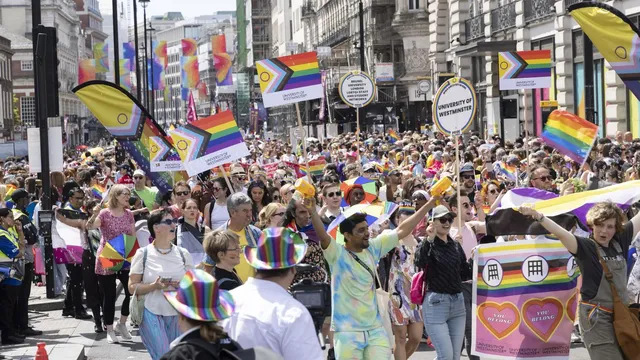
In the United Kingdom, the financial stability of Pride organisations has been severely compromised. In 2024, the entity responsible for the London Pride parade reported a loss of £120,726, a significant turnaround from the previous year's profit of £204,368. This alarming trend is not isolated to London; many major cities throughout the UK have either paused their Pride events or faced insolvency. Notably, Liverpool and Plymouth Pride did not hold events due to financial and organisational issues, while Manchester Pride entered voluntary liquidation, leaving many artists and service providers unpaid. The chair of the UK Pride Organisers Network, Dee Llewellyn, indicated that this crisis is unprecedented, stating that costs to run these events are increasing by 15 to 20 percent each year. This financial burden coincides with a notable decline in corporate support, particularly from American companies influenced by shifting political climates. The UK's largest LGBT+ charity, Stonewall, reported that contributions from corporate donors fell sharply, halving from £348,636 in 2024 to £143,149 in 2025. In London, the financial difficulties have led to complications within the Pride organisation itself. The organisation faced legal challenges with its chief executive, Christopher Joell-Deshields, resulting in a High Court injunction to regain control over its bank accounts. As a result, the filing of the annual accounts was delayed, prompting concerns about the management and financial integrity of the Pride in London organisation. However, the organisation has stated that its finances are currently stable, supported by a long-term funding agreement with the Greater London Authority until 2027. Despite the challenges, the Pride in London event attracted 33,000 participants in 2024 and doubled its workforce, a signal of some positive momentum amidst broader difficulties. The upcoming Pride in London 2026 aims to build on this success, but the obstacles presented by financial instability and reduced corporate engagement loom large over the future of Pride across the UK.

Context

In 2025, UK Pride events faced significant financial challenges that threatened their sustainability and overall impact. These challenges stemmed from a combination of reduced funding, increased costs of organization, and changes in social dynamics affecting attendance. Many Pride events rely on sponsorship from corporate partners and local businesses, which, due to economic uncertainties and shifts in marketing strategies, have become more hesitant to commit financial resources. As a result, organizers found themselves navigating a precarious financial landscape, trying to maintain the celebratory spirit of Pride while grappling with mounting fiscal pressures. The impact of the COVID-19 pandemic lingered into 2025 as events attempted to return to normalcy but continued to experience disruptions. The necessity for enhanced safety protocols and smaller gatherings led to higher operational costs, which further strained budgets. Many event organizers were forced to make difficult decisions about programming and scale, often shrinking the scope of activities or even canceling them altogether. Community engagement suffered as organizers struggled to foster inclusivity and participation without a stable financial backing, leading to reduced attendance and a diminished sense of community belonging. In response to these challenges, event organizers began to explore alternative funding avenues, such as community fundraising initiatives and crowdfunding platforms, to bridge financial gaps. Collaborative efforts within the LGBTQ+ community to share resources and cross-promote events emerged as a strategy to enhance visibility and support. Additionally, advocacy for increased public funding and support from local governments gained traction, underscoring the cultural importance of Pride events and their contribution to societal awareness and inclusion. Despite the financial hurdles, the resilience of the LGBTQ+ community shone through in 2025 as many Pride events adapted to the changing landscape. Innovative approaches, such as hybrid events incorporating both in-person and virtual participation, allowed for broader engagement while keeping costs manageable. By prioritizing community involvement and embracing new models of organization, UK Pride events showed that while financial challenges were significant, the passion for celebration, advocacy, and unity remained unwavering, reinforcing the vital role these events play in promoting equality and acceptance.

2026 All rights reserved
