

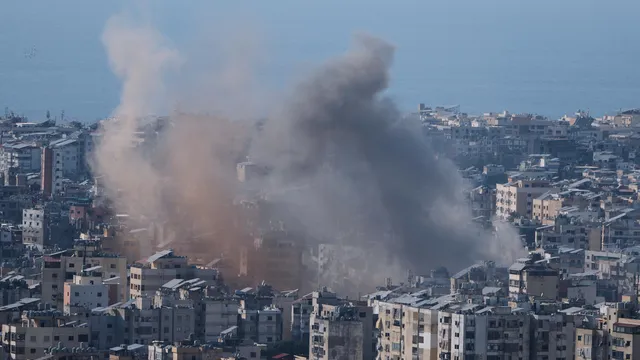
US prepares for most intense air strikes on Iran amid soaring tensions
US prepares for most intense air strikes on Iran amid soaring tensions
- The US has deployed significant military resources, including bombers, for strikes against Iran.
- Iran's military actions prompted heightened responses from the US and Israel.
- Intensified air strikes could have dire implications on regional stability and global oil markets.
Story
In a significant escalation of military operations, the US and Israel initiated daily air strikes on Iran starting on February 28, 2026. This operation signified a shift in military strategy towards intensifying responses to Iran's actions in the region. Reports indicate that March 10 has been projected to be the most intense day of strikes, with considerable military resources deployed to target Iranian military capabilities, including its missile production sites and naval forces. US Defense Secretary Pete Hegseth emphasized this day as pivotal for the intensity of air strikes executed. In the lead-up to this operation, tensions had been mounting due to Iran's military activities and missile threats directed at Gulf states, prompting concerns among US and UK officials. On March 8, Iran named Mojtaba Khamenei as its new supreme leader, an event that further escalated tensions as the United States disapproved of the appointment. Following the announcement, Iran responded with missile launches targeting both Israel and allied Gulf states, highlighting the instability in the region and raising the specter of a broader conflict. Internationally, the situation has significant ramifications, notably for global oil markets which saw a surge in prices due to the instability. The ongoing strikes and responses from Iran could lead to disruptions in shipping through the vital Strait of Hormuz. The US aims to mitigate these risks by asserting military dominance and protecting key shipping routes, which are crucial for oil transport. President Donald Trump expressed discontent at the pace of operations and emphasized that hostilities would conclude "very soon". Concurrently, he faced criticism from within the UK government regarding permissions for US military operations from British bases. Amid this military activity, additional British defense assets, such as fighter jets and naval forces, have been dispatched to the Middle East in preparation for potential escalations. The recent drone strikes against the RAF's Akrotiri base in Cyprus prompted further discussions on military readiness and capabilities within the UK. UK officials maintain that appropriate measures have been in place to address security challenges faced by military assets in the region. This context underscores the growing complexities in Middle Eastern geopolitics and highlights the need for strong international responses to address emerging threats from Iran.
Context
data impact policy impact geopolitical strategic shift geopolitical economic analysis insight economic policy market trends geopolitical analysis policy trends analysis data impact economic data data geopolitical global economic geopolitical policy policy data analysis geopolitical policy global trends policy strategic impact analysis economic data policy market policy impact data shift data trends economic economic global strategic economic analysis analysis impact strategic strategic economic analysis analysis geopolitical trends trends analysis economic market shift impact geopolitical shift economic shift global trends impact impact...


