

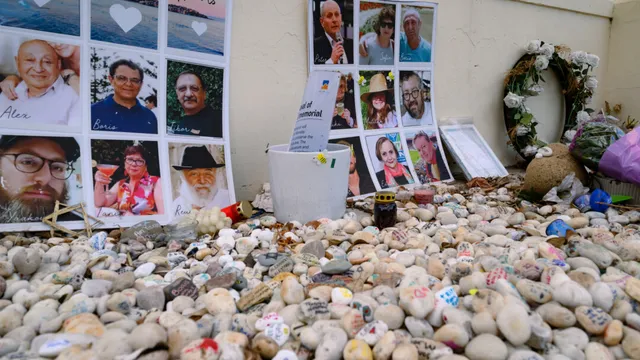
Australia launches inquiry into antisemitism after Bondi Beach massacre
Australia launches inquiry into antisemitism after Bondi Beach massacre
- Public hearings for the royal commission into antisemitism started recently in Australia, prompted by the Bondi Beach shootings that resulted in 15 fatalities.
- The commission will investigate the circumstances surrounding the attack and the broader implications of antisemitism within Australian society.
- The inquiry serves as a critical step towards understanding and addressing the systemic issues related to antisemitism in the country.
Story
In Australia, a landmark royal commission into antisemitism began public hearings following the tragic Bondi Beach shootings on December 14, 2025, which left 15 individuals dead and dozens wounded during a Jewish celebration. This inquiry is led by former High Court Justice Virginia Bell and aims to explore the events preceding the attack, which has been characterized as one of the worst mass shootings in Australian history. The inquiry is expected to produce an interim report by the end of April and a final report by December 14, 2026, coinciding with the first anniversary of the incident. The commission's goals include identifying antisemitic conduct, understanding the motivations behind it, examining law enforcement's response, and scrutinizing the security measures in place during the ill-fated event. An integral part of the process involves hearing testimonials from Jewish Australians who have experienced antisemitism in various settings, such as schools and workplaces. Senior counsel Richard Lancaster emphasized the trauma suffered by the Jewish community due to the shooting and proposed leading evidence on the factors contributing to antisemitism in Australia. The inquiry's scope, however, is limited due to the ongoing criminal proceedings against Naveed Akram, the alleged attacker who survived the incident, facing multiple charges, including murder and terrorism. Consequently, some hearings may be held in private to avoid compromising the criminal case. The commission is also a response to intensified debates regarding antisemitism and incidents of hate-motivated violence in Australia, which have been exacerbated by the recent tensions surrounding Israel and Gaza. In the wake of the Bondi attack, initial plans for a review by a former spy chief into national security operations were restructured after significant pressure from Jewish leaders and affected families. The federal inquiry was merged into the royal commission, which suggests a shift in strategy to comprehensively address the underlying issues of antisemitism in the region. The commission's findings are anticipated to contribute to policies aimed at fostering social cohesion and addressing hate speech in Australia.
Context
geopolitical global impact shift economic data geopolitical global analysis strategic data market trends shift strategic trends economic global trends impact insight insight policy trends trends geopolitical shift shift market policy economic trends data market insight insight strategic strategic shift geopolitical strategic strategic analysis policy geopolitical insight geopolitical analysis data insight shift global geopolitical insight shift policy market global policy trends market trends analysis analysis analysis market market analysis global market analysis trends data geopolitical insight geopolitical trends market trends data...


