

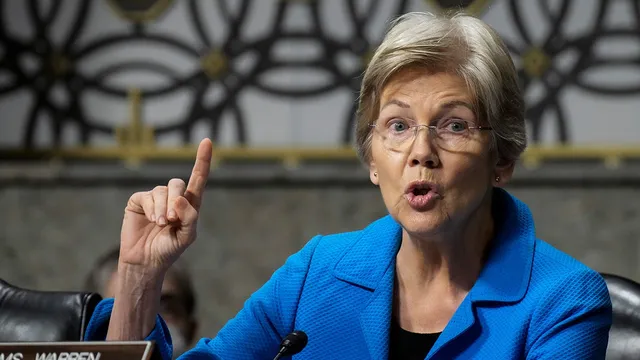
Senator Warren probes banks over their role in Venezuelan oil sales
Senator Warren probes banks over their role in Venezuelan oil sales
- The Trump administration announced that Venezuela would transfer up to 50 million barrels of oil to the U.S.
- Democratic senators, led by Elizabeth Warren, have initiated an investigation into major banks' roles in these transactions.
- Concerns over transparency and potential misappropriation of Venezuelan oil proceeds have prompted lawmakers to seek answers.
Story
In early January 2026, U.S. President Donald Trump announced that Venezuela's interim government would transfer up to 50 million barrels of oil to the United States, aiming to control the sales proceeds for U.S. foreign policy objectives. Following this declaration, Senator Elizabeth Warren, alongside other Democratic senators, initiated a formal investigation into the potential involvement of major U.S. banks in these oil sales. Concerns arose regarding transparency, as the Trump administration had not disclosed which financial institutions would participate. Lawmakers sought answers about potential contracts and financial support from banks like Bank of America and Goldman Sachs, coinciding with Trump's declaration of a national emergency regarding Venezuelan oil revenue. This situation highlights a significant shift in U.S. foreign policy towards Venezuela, seemingly prioritizing the economic exploitation of its oil resources amidst geopolitical tensions. The investigation comes on the heels of increased scrutiny over the Trump administration's handling of foreign assets and the ethical implications of managing the oil revenues of another nation. It was revealed that significant portions of the proceeds might be held in U.S. Treasury accounts, raising questions about legitimacy and international law regarding sovereign oil resources. Senators expressed apprehensions that the newfound interest from banks may reflect motivations akin to insider trading, rather than ethical financial practices. The complexities surrounding the U.S. involvement in Venezuela include historical implications of American foreign policy, particularly regarding resource-rich nations subject to military and economic intervention. Drawing parallels with past foreign engagements, analysts argue that what is occurring in Venezuela is indicative of broader imperialistic tendencies functionally disguised as humanitarian or democratic interventions. Major banks appear to be put in positions where they can capitalize on Venezuelan oil, underscoring issues of equity and exploitation. Lawmakers are requesting updates from these institutions regarding their communications and plans related to the oil sales, while critics decry the potential erosion of Venezuelan sovereignty. This investigation underscores a major intersection of economics, ethics, and international relations, as the U.S. grapples with the consequences of its foreign aides and military strategies. As the situation unfolds, the focus remains on the long-term effects on both Venezuela and the American financial system, as well as the implications for international law and global equity.


