

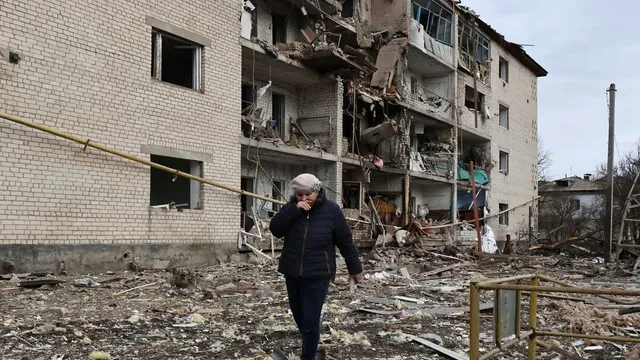
Ukraine strikes critical Russian missile factory, leaving injuries
Ukraine strikes critical Russian missile factory, leaving injuries
- Ukrainian drones attacked the Votkinsk Machine Building Plant in Russia's Udmurt Republic.
- The conflict intensified with the strike resulting in eleven injuries, including three hospitalizations.
- This incident reflects Ukraine's growing military capabilities and poses implications for the ongoing conflict.
Story
Ukrainian drones targeted an industrial site in the Udmurt Republic of Russia, specifically the Votkinsk Machine Building Plant, which is known for producing critical missile technology. The incident occurred recently and resulted in eleven people being injured, with three individuals requiring hospitalization as reported by local health officials. This attack marks a significant escalation in the ongoing conflict, as the Votkinsk facility is over 1,400 kilometers away from Ukraine and is crucial for producing Iskander ballistic missiles used in military operations against Ukraine. In addition to the injuries, the strike caused considerable damage to the plant. Visual evidence from residents in Votkinsk showed black smoke rising from the industrial site, suggesting a serious incident that may impact the capabilities of the Russian military. Local authorities confirmed that the drone attack took place, although they did not immediately specify the facility's name. Russian media outlets have reported on the incident, with unofficial channels offering first-hand accounts of explosions and drone activity overhead. Ukrainian military officials indicated that the strike utilized an FP-5 "Flamingo" cruise missile and aimed specifically at the Votkinsk plant, which manufactures ballistic missiles that have been deployed in attacks against Ukraine. By successfully engaging such a distant and strategically significant target, Ukraine demonstrates its growing military capabilities and aims to reduce dependence on foreign arms supplies. Video clips and satellite imagery circulating online reveal the aftermath of the strike, portraying damaged structures and intensified military operations in the region. The ramifications of this attack could lead to escalated tensions between Ukraine and Russia, particularly as they relate to ongoing missile production and military engagements. Furthermore, as the war continues to evolve, both sides may view incidents like this as pivotal moments that could shift the balance of power. Surveillance and reconnaissance activities may increase in response to the strike, and the nature of military engagements is likely to adjust as Ukraine looks to continue targeting critical Russian infrastructure.
Context
The impact of drone strikes on military factories has become a critical area of study in contemporary warfare due to their increasing use in conflict zones worldwide. Drone strikes have changed the dynamics of military engagements by enabling precision strikes on key targets while minimizing risks to personnel. When directed against military factories, these strikes aim to disrupt the production capabilities of adversaries by targeting facilities that manufacture weapons, munitions, and various military supplies. Analyzing the effectiveness and repercussions of such operations sheds light on their influence on the operational efficacy of armed forces as well as broader military strategies. Drone strikes on military factories can lead to significant material damage, disrupting the supply chains and production timelines of the struck entities. The immediate consequences often include halting production, erasing stocks of weaponry, and demoralizing the workforce. Furthermore, the psychological impact on factory workers can result in reduced productivity and fear of continued strikes, ultimately affecting the factory's output. Long-term disruptions may compel adversaries to reallocate resources, invest in relocation strategies, or fortify existing facilities, thereby incurring additional costs and affecting their overall military readiness. However, the use of drone strikes raises important ethical and legal questions, particularly surrounding collateral damage and civilian casualties. The precision associated with drone technology still carries the risk of unintended damage to nearby civilian infrastructure or casualties among non-combatants. This not only complicates the legality of such strikes under international law but also has the potential to fuel anti-drone sentiments among local populations, causing backlash against foreign military interventions. Therefore, the strategic planning of drone strikes must encompass an understanding of the broader socio-political implications in the regions where these strikes occur. In summary, while drone strikes on military factories can provide tactical advantages and impede enemy operations, their utilization also demands careful consideration of the potential for collateral damage and long-term geopolitical consequences. The analysis of historical drone strike operations reveals a nuanced landscape where military effectiveness must be balanced with ethical implications. As armed conflicts continue to evolve with technological advancements, the role of drones in targeting military factories will remain a crucial focal point for military strategists and ethicists alike.


