

science
controversial
local
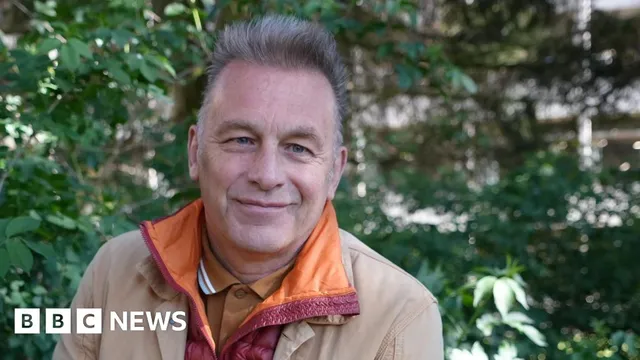
Chris Packham urges young people to lead the conservation charge
Apr 24, 2026, 6:43 AM10
(Update: Apr 24, 2026, 6:43 AM)
group of annual BBC television series which chart the fortunes of British wildlife during the changing of the seasons in the United Kingdom
science
controversial
local
Chris Packham urges young people to lead the conservation charge
- Chris Packham visited the University of East Anglia for the centenary celebrations of the Norfolk Wildlife Trust.
- He stressed the importance of empowering young people as future conservation leaders.
- Packham's call to action emphasizes the urgent need for political and community engagement in addressing climate change.
group of annual BBC television series which chart the fortunes of British wildlife during the changing of the seasons in the United Kingdom
Insights
News 1 1
Reports
Opinions
Story
“
data shift geopolitical market geopolitical market market global trends policy strategic geopolitical geopolitical economic strategic shift economic shift impact shift shift global impact analysis geopolitical economic impact strategic trends policy economic impact shift strategic insight insight economic market shift insight shift geopolitical data shift geopolitical impact trends economic policy shift data insight strategic data geopolitical impact economic strategic analysis policy shift geopolitical market impact strategic analysis analysis shift analysis shift shift impact analysis market shift strategic global geopolitical global global...
2026 All rights reserved



2026 All rights reserved