

Trump weighs troop deployments amid escalating conflict with Iran
Trump weighs troop deployments amid escalating conflict with Iran
- President Donald Trump's administration is considering the deployment of thousands of additional military personnel in the Middle East due to escalating tensions with Iran.
- Iran's officials have strongly warned against any U.S. ground presence, referencing the historical Vietnam conflict as a cautionary tale.
- The prospect of U.S. troops being inserted into the Iran conflict raises concerns over increased risks, both militarily and politically, with significant opposition among the U.S. public.
Story
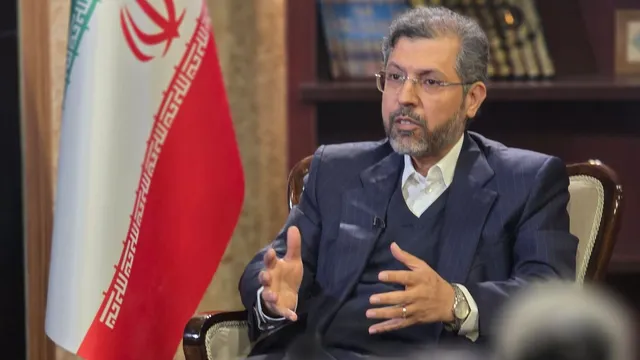
In a tense diplomatic climate, U.S. President Donald Trump is weighing the option of deploying additional ground troops to confront ongoing hostilities in Iran, which have escalated significantly. The discussions come after a period of increased military action that has left thousands dead, including over 1,500 Iranians and 13 American service members. As of March 2026, these military operations have heightened fears of a quagmire reminiscent of Vietnam, a warning echoed by Iranian officials. They have counseled against the deployment and signaled a readiness to continue their military engagement unless a diplomatic resolution is proposed and accepted. Iran's deputy foreign minister, Saeed Khatibzadeh, asserted in a recent interview that the country is poised to resist any U.S. troop presence, emphasizing their commitment to defending national sovereignty. The ongoing conflict has resulted in substantial human and economic costs, contributing to rising global oil prices and straining diplomatic relations in the region. The U.S. military has conducted numerous airstrikes targeting Iranian assets but has faced intense scrutiny over the potential ramifications of further ground troop deployments, which could deepen the conflict. As discussions around troop mobilization unfold, various stakeholders, including congress members and international allies, have expressed their concerns regarding the implications of increased military engagements. Many Americans, regardless of political affiliation, have shown overwhelming opposition to sending ground troops, signaling a significant divide in public opinion regarding the U.S.'s military strategy in the Middle East. This disquiet forms a backdrop against which the U.S. administration continues to evaluate its military options, contemplating steps to secure essential assets like oil exports and ensure regional stability amidst ongoing threats. As the situation continues to develop, the risk of escalation remains high, with potential missions being scrutinized for their operational viability and political consequences. This precarious balancing act is not only crucial for U.S. interests in the region but may also hold significant implications for global energy markets and geopolitical stability.
Context
The current state of the war between the United States and Iran is characterized by a complex interplay of military engagements, diplomatic maneuvers, and regional dynamics. As of March 20, 2026, the conflict remains unresolved, with both countries maintaining a tense standoff. The U.S. government has continued to impose economic sanctions on Iran, aimed at curbing its nuclear program and supporting militant groups throughout the Middle East. These sanctions have significantly impacted Iran's economy, leading to heightened civil unrest and a decline in public support for the regime. Despite these challenges, Iran has demonstrated resilience by bolstering its military capabilities and strengthening alliances with other regional powers, such as Russia and Syria, while also conducting proxy operations against U.S. interests in the region. Military actions have escalated periodically between the two nations, including limited engagements and drone strikes. The U.S. military continues to maintain a significant presence in the Middle East, conducting operations aimed at deterring Iranian expansionism and protecting its interests in Iraq and Syria. Iranian forces, in response, have targeted U.S. military bases with rocket attacks and other means, resulting in casualties on both sides. The ongoing hostilities have led to a cycle of retaliation, making a peaceful resolution seem increasingly distant. High-level diplomatic talks have stalled in recent months, with both sides unable to reach a consensus on terms for nuclear negotiations and regional security guarantees. The geopolitical ramifications of the U.S.-Iran conflict have also been felt across the region, impacting other countries and increasing tensions among neighboring states. Allies of the U.S., such as Saudi Arabia and Israel, are on high alert, preparing for potential spillover effects of the conflict as they perceive Iran's growing influence as a direct threat to their national security. This militarization has created an arms race in the region, with countries investing in advanced weaponry and military technology. Additionally, Iran's support for groups like Hezbollah in Lebanon and various factions in Iraq continues to complicate the situation, as these groups act in ways that challenge U.S. strategic objectives. In conclusion, the current state of the war between the U.S. and Iran is marked by ongoing military clashes, economic sanctions, and stalled diplomatic efforts, contributing to a precarious security environment in the region. The conflict has significant implications for international relations, particularly for U.S. allies in the Middle East, and continues to evolve with the potential for further escalation. Both nations find themselves entrenched in a complex web of interests that complicates prospects for a lasting peace, making resolution seem a distant goal at present. Further developments will depend heavily on the actions taken by both governments, as well as external influences from other global powers.


