

humanities
informative
controversial
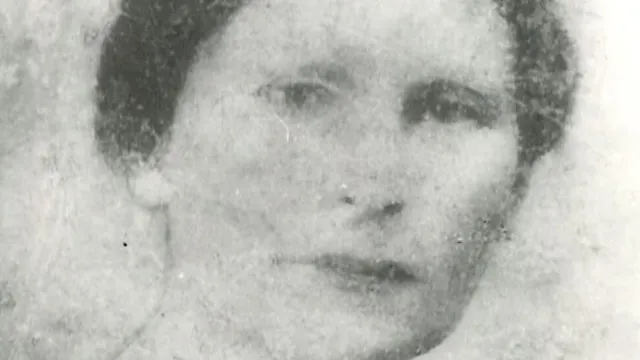
Sabina Spielrein's contributions to psychoanalysis overshadowed by Freud and Jung
Nov 14, 2025, 1:00 AM10
(Update: Nov 14, 2025, 1:00 AM)
humanities
informative
controversial
Sabina Spielrein's contributions to psychoanalysis overshadowed by Freud and Jung
- Sabina Spielrein was a psychoanalyst who maintained correspondence with Freud and Jung.
- She published over 35 significant papers but was overshadowed by male contemporaries.
- Recent scholarship has sought to recognize her contributions independently.
Insights
News 1 1
Related reports
Opinions
Story
“
global analysis global geopolitical insight economic economic global shift market shift policy shift insight trends policy global economic economic trends data data trends trends economic shift market market trends market analysis global trends trends economic global data economic geopolitical market insight data policy economic analysis policy geopolitical economic policy global geopolitical economic geopolitical strategic insight strategic global analysis economic data analysis economic data analysis analysis analysis insight strategic data insight trends shift policy strategic strategic economic insight shift global global...
2026 All rights reserved



2026 All rights reserved