

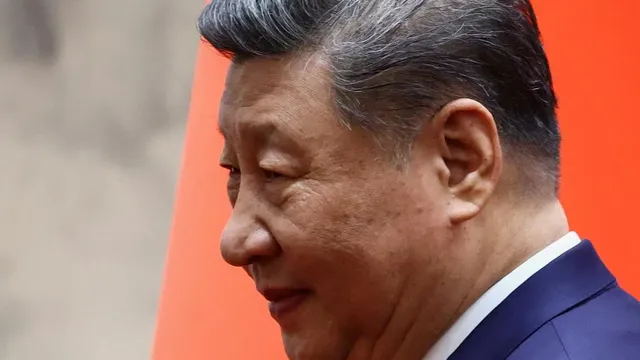
China pledges support for Brazil amid turbulent international relations
China pledges support for Brazil amid turbulent international relations
- Xi Jinping and Luiz Inacio Lula da Silva discussed China's support for Brazil amidst current global tensions.
- The conversation was influenced by recent U.S. actions against Venezuela, raising concerns in Latin America.
- China and Brazil aim to strengthen their partnership to safeguard regional interests and enhance cooperation.
Story
In a significant diplomatic conversation, Chinese leader Xi Jinping assured Brazilian President Luiz Inacio Lula da Silva of China's unwavering support for Brazil, particularly during challenging international times. This interaction took place shortly after Lula criticized the U.S. for its actions against Venezuela, highlighting the growing tension in Latin America regarding U.S. foreign policy. Xi emphasized the necessity for both countries to work together to uphold the principles of the United Nations and protect the interests of the Global South amidst an increasingly unstable global environment. Following a week of intense political upheaval, which included the U.S. seizing Venezuelan President Nicolas Maduro on narcotics charges, concerns arose among Latin American nations regarding potential military interventions. Lula expressed in an opinion piece that the future of nations like Venezuela should be determined by their own people, reflecting a broader sentiment in Latin America against U.S. interventionism. Xi's comments came as a counterbalance to U.S. actions, as he proposed stronger ties with Brazil under China’s Belt and Road Initiative, which aims to enhance infrastructure and collaboration in emerging markets. Lula welcomed Xi’s offer of partnership and committed to granting visa exemptions for Chinese citizens, further strengthening bilateral relations. This move is part of a broader strategy to fortify ties with emerging economies in response to perceived aggression from established Western powers. Additionally, the strategic partnership suggests that both countries may work collaboratively in sectors such as agriculture and energy transition, enhancing their standing in the international arena. The developments notably reflect the shifting dynamics of global power, as emerging economies like Brazil and China navigate a complex landscape characterized by rising nationalism and protectionism in major economies such as the United States. The dialogue between Xi and Lula illustrates a concerted effort to protect regional interests and maintain stability in a world increasingly affected by external forces. The commitment to cooperate underlines the significant geopolitical implications of Latin America's relationship with both the U.S. and China, positioning Brazil as a key player in the Global South’s response to challenges posed by powerful nations.
Context
The impact of US trade policy on the global economy has been significant and multifaceted, influencing international trade dynamics, economic growth, and global supply chains. Over the past few decades, the United States has utilized various trade policy measures including tariffs, trade agreements, and import quotas that have reshaped relationships with both allies and adversaries. Notably, the introduction of tariffs on imports, such as those seen during the trade tensions with China under the Trump administration, has catalyzed a reevaluation of global trade practices and economic interdependencies. While proponents argued these measures protected American jobs and industries, critics voiced concerns over escalating prices for consumers and potential retaliatory measures from other nations, which could further destabilize global trade flows. Furthermore, the shift in US trade policy, particularly under the Biden administration, has emphasized multilateral cooperation and strengthening alliances. This approach seeks to balance economic interests with broader geopolitical considerations, reflecting a recognition that global challenges require collaborative solutions. For instance, initiatives aimed at addressing climate change also intertwine with trade policies, promoting goods and services in sustainable industries. The impact of these policies is evident in shifts within global supply chains, as companies reconsider the risks associated with heavy dependence on specific countries, prompting diversification strategies that could lead to new trade patterns and economic opportunities. The evolving nature of trade agreements has also played a critical role in defining US trade policy's impact on the global economy. The United States has renegotiated agreements such as NAFTA, now known as the USMCA, demonstrating a commitment to updating trade relations in a manner that reflects contemporary economic realities. These agreements are designed not just to enhance trade but also to set standards for labor rights, environmental protections, and digital trade, which can have lasting effects on labor markets and the environmental practices of trading partners. As nations seek to engage in trade that aligns with their economic and social values, US trade policy evolves as a key factor adjudicating these interests. Lastly, the ramifications of US trade policy extend beyond immediate economic impacts; they also shape diplomatic relations and international stability. Trade policy can serve as a tool for advancing foreign policy objectives, where economic cooperation may lead to strengthened alliances, while trade conflicts might exacerbate tensions. The integration of economic and security considerations into trade policy reinforces the notion that trade is a vital component of the broader geopolitical landscape. As global economic challenges continue to unfold—exemplified by the COVID-19 pandemic and recent geopolitical tensions—the role of US trade policy is likely to remain pivotal in navigating these complexities and establishing a more resilient and equitable global economy.


