

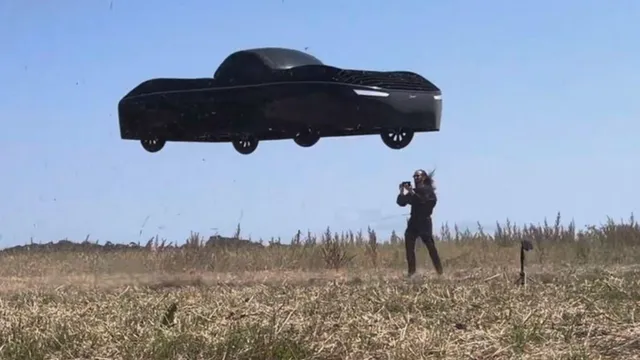
Pennsylvania proposes legislation to allow flying cars
Pennsylvania proposes legislation to allow flying cars
- Pennsylvania's Senate Bill 1077 aims to create a legal framework for flying cars.
- The bill requires vehicle registration, inspections, and adherence to traffic rules, while deferring to FAA regulations in the air.
- This legislation reflects a growing trend as other states also prepare for the integration of flying cars into society.
Story
In Pennsylvania, state legislators have taken a considerable step towards the future of transportation by reintroducing Senate Bill 1077, also known as the Jetsons Act. This legislation aims to create a legal framework for vehicles that can both drive on roads and fly like traditional aircraft. The bill would establish a new category under state law that mandates registration and inspections for these vehicles, ensuring they adhere to standard traffic regulations on the ground while also conforming to Federal Aviation Administration guidelines when in the air. Takeoffs and landings will be constrained to designated areas to manage airspace effectively. The introduction of this bill is not occurring in isolation; other states in the U.S., such as Minnesota and New Hampshire, have already enacted similar laws, indicating a growing trend toward the integration of flying cars into everyday life. Senate Bill 1077 aims to provide clarity and direction for manufacturers, law enforcement, and regulators as we advance into the 2030s, a decade many believe will see flying cars and humanoid robots becoming commonplace. Earlier this month, Elon Musk, CEO of Tesla, discussed his vision for flying cars during a podcast appearance. He speculated on the potential of Tesla's second-generation Roadster, asserting it would showcase remarkable technology that could rival anything seen in James Bond films. Musk suggested that these advancements could pave the way for flying cars, affirming that if there is a public demand for such innovations, they should be delivered. The legislation comes at a time when the flying car industry is gaining momentum, particularly with startups like Alef, which have made significant strides in developing eVTOL (electric Vertical Take-Off and Landing) aircraft. Alef has secured a Special Airworthiness Certificate from the FAA, permitting limited flight operations for research and demonstration purposes. This progress could mark the beginning of widespread acceptance and commercialization of flying vehicles, shaping the future of personal and commercial transportation.


