

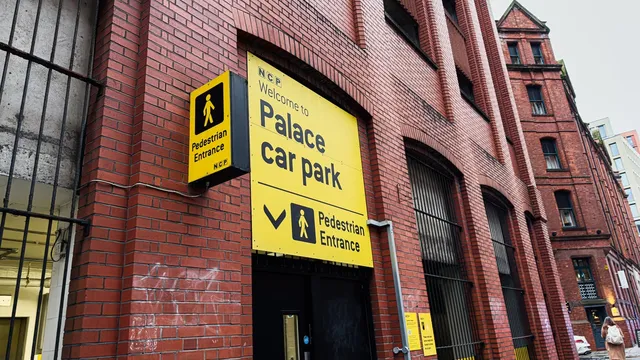
Major car park operator NCP faces collapse and job losses
Major car park operator NCP faces collapse and job losses
- NCP has entered administration, risking 682 jobs.
- The company struggled with declines in occupancy and financial losses post-Covid.
- The future options may include selling all or part of the business.
Story
In the United Kingdom, NCP, one of the largest car park operators, has entered administration, placing significant numbers of jobs at risk. The company has managed approximately 340 parking sites across the nation and recently struggled with a decline in occupancy rates and mounting financial losses. These troubles have been attributed to the impact of the Covid-19 pandemic, which caused a notable decrease in demand for parking spaces, failing to recover to pre-pandemic levels. The challenging trading environment was compounded by changing consumer behaviors, particularly in city-centre and commuter locations, and the high costs associated with long-term leases for sites that have become unprofitable. PwC has been appointed as the administrator to oversee the proceedings. Despite the situation, NCP's car parks will continue to operate normally, and staff members will remain employed while the administrators assess options for the company's future. The leadership of NCP has indicated that some or all of the company may be put up for sale as a means to secure a sustainable future and minimize loss for creditors. The firm has faced ongoing trading losses, with its latest accounts revealing a pre-tax loss of £28.2 million in the financial year ending on September 30, 2023, which follows a loss of £22.5 million the previous year. The firm's financial strain is symptomatic of broader trends affecting the parking industry, where a significant shift in consumer driving patterns has led to reduced occupancy rates at car parks. This shift has influenced both individual consumers and businesses, reflecting a change in commuting habits that have persisted even as pandemic restrictions eased. With the evolving landscape of transportation and commuting, many parking operators are struggling to adapt, leading to financial challenges that threaten their viability. The board's engagement with various stakeholders, including landlords and employees, is critical as they explore all possible avenues to achieve the best outcome for creditors amidst this turmoil. The situation with NCP underscores not just the challenges faced by the company itself, but also highlights broader economic shifts that are reshaping the parking sector and impacting employment in the industry.
Context
The Covid-19 pandemic has profoundly impacted numerous sectors, with the car parking industry in the UK being no exception. With the implementation of social distancing measures, lockdowns, and the overall decline in mobility, the demand for parking facilities drastically decreased. Many urban centers, which typically boasted high turnover rates and consistent parking occupancy, experienced significant drops in foot traffic as businesses closed and remote work became the norm. Initially, this led to a surplus of available parking spaces, impacting revenue generation for many operators and forcing them to rethink pricing strategies and service offerings to attract customers back to their facilities. Furthermore, the pandemic has accelerated changes in consumer behavior related to transport and mobility. As public health concerns rose, alternative transportation modes such as cycling and walking gained popularity, leading to a shift in how consumers perceive the necessity of parking spaces. This changing dynamic has prompted car park operators to explore new avenues, such as real-time occupancy monitoring, contactless payment solutions, and enhanced sanitation measures, to ensure safety and convenience for customers. The long-term implications of these adjustments will shape the industry's evolution moving forward. Despite these challenges, the vaccination rollout and the gradual easing of restrictions have led to a rebound in demand for car parking. However, this recovery has been uneven across the country, heavily influenced by regional economic conditions and variances in consumer readiness to resume pre-pandemic activities. Urban areas with a significant tourism or business presence have shown more signs of recovery, while suburban and rural parking facilities continue to feel the pressure of shifting commuting patterns. Looking ahead, the UK car parking industry must remain adaptable and innovative to thrive in the post-Covid landscape. As preferences for hybrid work and increased remote working options persist, operators will need to assess their business models critically. Integrating technology, enhancing user experience, and accommodating a changing transportation ecosystem will be paramount. The pandemic has acted as a catalyst for transformation within the car parking industry, prompting stakeholders to rethink traditional concepts and embrace a future that encompasses both challenges and opportunities.


