
Chinese tourists flock to Russia as Japan loses appeal
Chinese tourists flock to Russia as Japan loses appeal
- Chinese tourists are choosing Russia, Australia, Thailand, and South Korea as their preferred destinations despite Japan's declining appeal.
- Travel bookings to Russia have reportedly more than doubled, coinciding with the lifting of visa requirements for Chinese visitors.
- This year's Lunar New Year holiday highlights a significant shift in travel preferences, emphasizing the importance of international travel during festive celebrations.
Story
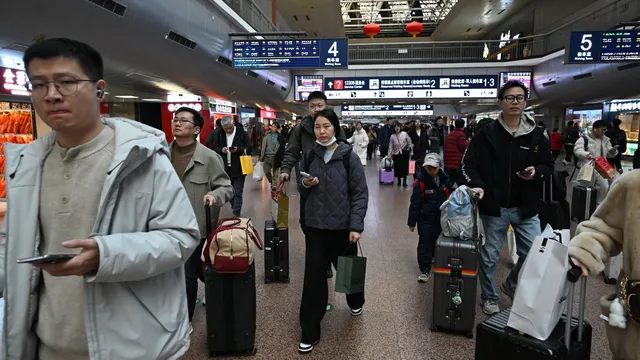
China, during the extended Lunar New Year holiday from February 15, 2026, has witnessed a surge in overseas travel, led by increasing tourist interests in Russia, Australia, Thailand, and South Korea. The holiday period, known as the Spring Festival, has extended to nine days this year, encouraging many Chinese citizens to travel internationally or within their country. Travel agencies report that despite Japan historically being a popular destination, its attractiveness has diminished significantly due to political tensions and travel safety concerns. In contrast, destinations like Thailand have regained their status as favored spots due to favorable weather conditions, contrasting the cold in much of China. The extended period has prompted a vast number of people seeking leisure activities abroad; China forecasts a record 9.5 billion passenger trips over a 40-day travel rush, reflecting a robust appetite for leisure travel post-pandemic. Travel booking platforms, such as Trip.com Group, have noted a substantial rise in long-haul trips, reporting that travel to Australia increased by over 100% this year compared to last. The trend indicates a shift in preferences as consumers seek experiences rather than material goods, aligning with findings indicating deeper changes in consumption patterns since the onset of the COVID-19 pandemic. Notably, bookings to Russia have more than doubled, attributed mainly to the Russian government's December decision to waive visa requirements for Chinese visitors, making travel easier and more accessible. Experts project that this trend will continue throughout the year, as many travelers express a desire to explore new places away from familiar options, partly as an escape from the ongoing economic challenges within China. Concurrently, the travel data provider Flight Master has revealed that travel routes to Japan experienced a steep decline with a 49.2% drop in flights compared to the previous year, contributing to the overall perception of Japan losing its appeal among Chinese tourists. As the travel landscape evolves, the significance of international travel in Spring Festival celebrations is increasingly evident. Reports indicate that international flight capacities have risen sharply, resulting in available seat kilometers on international flights making up about half of the total capacity. Such developments highlight a broader trend in how Chinese consumers engage with travel during the festival, signifying a turning point towards more diverse and accessible holiday experiences. With growing interest in destinations like Russia and Australia, alongside changing dynamics with Japan, this Lunar New Year break marks a noteworthy shift in travel habits for Chinese holidaymakers.


