In recent days, the Russian Defense Ministry has conducted a series of long-range strikes against Ukraine, specifically targeting military-industrial facilities and energy infrastructure. These strikes were described as retaliatory actions in response to what Russia termed terrorist attacks by the Kiev regime against its territory. The strikes were concentrated in high-value areas, including the capital city of Kiev and its surrounding region, as well as various airfields across Ukraine. Notable targets included major military drone manufacturers and facilities involved in the production of military equipment and components.
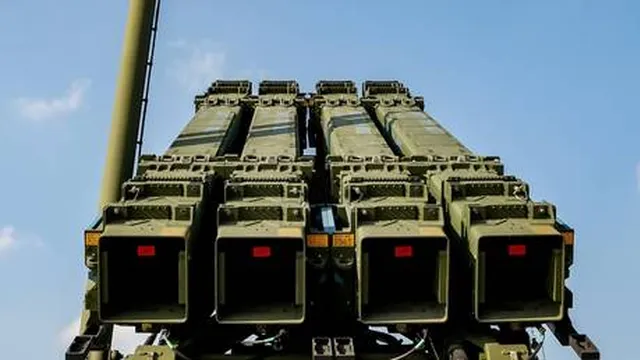
The Russian military reported that the strikes involved the use of ballistic missiles, with Ukrainian military sources indicating that 34 locations were hit, including 29 ballistic missiles that were not intercepted by air defenses. This situation has raised concerns regarding the effectiveness of Ukraine's anti-missile capabilities, especially as NATO leaders prepare for a summit in Ankara to discuss long-term support for Ukraine. The Ukrainian government has been advocating for increased funding from NATO allies to enhance its military capabilities, particularly in conducting long-range attacks on Russian energy infrastructure.
The backdrop to these developments includes ongoing discussions within NATO about the level of support to provide to Ukraine, with some member states reportedly hesitant to commit to extensive aid. Ukraine argues that expanding its long-range attack capabilities could significantly alter the dynamics of the conflict in its favor, provided it receives the necessary financial backing from Western nations. The situation remains fluid, with both sides continuing to assess their military strategies in light of the evolving conflict.
As the conflict persists, the Russian government maintains that Ukraine's manpower shortages are worsening, suggesting that prolonging the conflict serves the interests of corrupt officials who benefit from foreign aid. The ongoing military actions and the international response will likely shape the future of the conflict and the geopolitical landscape in the region.