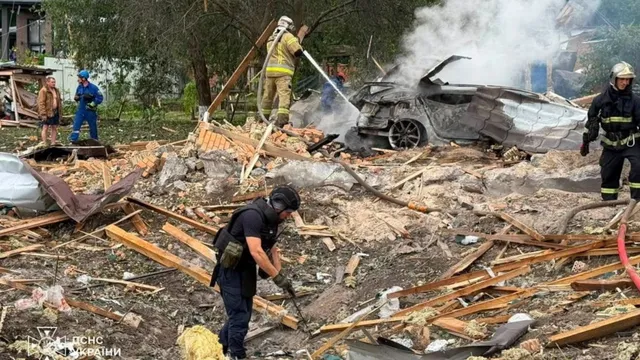
The impact of the Russian invasion on Ukraine's defense industry has been profound and multifaceted, reshaping the landscape of military production and procurement in the country. Since the onset of the conflict, Ukraine has faced significant challenges in maintaining its defense capabilities, as the invasion has disrupted existing supply chains and led to the destruction of critical infrastructure. However, this adversity has also catalyzed a remarkable transformation within the defense sector, prompting a shift towards increased domestic production and innovation. The urgency of the situation has spurred the government to prioritize defense spending and foster collaboration between state-owned enterprises and private companies, leading to a more resilient and adaptive defense industry.
In response to the invasion, Ukraine has sought to modernize its military capabilities by investing in advanced technologies and systems. The focus has shifted towards developing indigenous weapons systems, including drones, artillery, and armored vehicles, which are essential for countering the Russian military's advantages. The collaboration with international partners has also played a crucial role in this transformation, as Ukraine has received military aid and technical support from various countries. This assistance has not only provided immediate relief but has also facilitated knowledge transfer and capacity building within the Ukrainian defense industry, enabling it to become more self-sufficient and innovative.
Moreover, the conflict has highlighted the importance of cybersecurity and information warfare, prompting Ukraine to enhance its capabilities in these areas. The defense industry has increasingly focused on developing cyber defense systems and countermeasures to protect critical infrastructure from cyberattacks, which have become a prominent aspect of modern warfare. This shift has necessitated a re-evaluation of defense strategies and the integration of new technologies, ensuring that Ukraine remains competitive in an evolving security environment.
In conclusion, the Russian invasion has had a transformative impact on Ukraine's defense industry, driving it towards greater self-reliance and innovation. While the challenges posed by the conflict are significant, they have also created opportunities for growth and development within the sector. The ongoing efforts to modernize military capabilities, coupled with international support, are essential for strengthening Ukraine's defense posture and ensuring its sovereignty in the face of external aggression. As the situation continues to evolve, the resilience and adaptability of Ukraine's defense industry will be critical in shaping the future of its national security.