

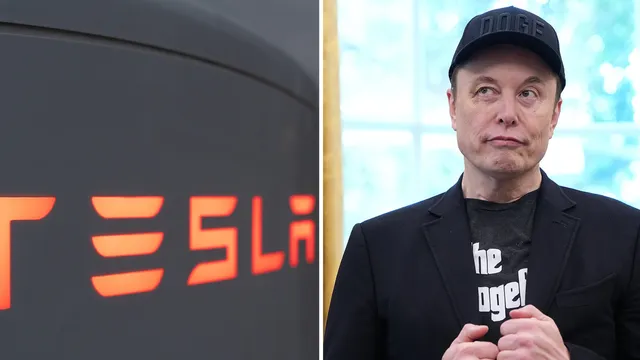
Elon Musk nears the trillionaire milestone amid global poverty crisis
Elon Musk nears the trillionaire milestone amid global poverty crisis
- Elon Musk is projected to become the first trillionaire, with wealth exceeding the GDP of 170 countries.
- The number of people living in extreme poverty has remained largely unchanged, exacerbated by climate change and political decisions.
- This growing wealth inequality has spurred calls for action from activists and public figures, indicating a rising discontent with the current economic system.
Story
In 2024, a stark contrast emerged between the booming wealth of the world's billionaires and the persistent struggles faced by millions living in poverty. Reports indicated that Elon Musk, a South African native and tech mogul, might soon reach a net worth of $1 trillion, surpassing the economic output of 170 countries, including many affluent nations such as Belgium and Sweden. The troubling reality is that while the wealth of the richest individuals is accelerating, the number of people living in extreme poverty has stagnated. This dissonance has been exacerbated by various external issues, including climate change and political conflicts, which have hindered progress toward alleviating poverty on a global scale. The 2024 election of Donald Trump as President of the United States has further contributed to rising billionaire fortunes with policies favoring the wealthy. Research from the watchdog group Oxfam projected an imminent future where five billionaires could hold trillionaire status, while the World Bank suggested it would take over a century to eliminate global poverty at current economic growth and inequality rates. The public outcry against such wealth disparity has prompted figures like Zohran Mamdani, a politician in New York, to advocate for taxing the wealthy. Acknowledging the ongoing crisis, even Pope Leo XIV has highlighted the implications of excessive wealth concentration, noting that CEOs earn substantially more compared to average workers than they did half a century ago. In light of these issues, celebrities and activists, including Billie Eilish, have called for the rich to utilize their vast resources for humanitarian efforts rather than hoarding wealth. Eilish recently criticized Musk directly, highlighting that his immense fortune could tackle pressing challenges like world hunger and saving endangered species. With Tesla shareholders recently approving a massive pay package for Musk to ensure he remains at the helm of the company, there are concerns that public patience is wearing thin amidst increasing inequality. Observers wonder whether this economic environment might lead to civil unrest akin to the past 'Occupy Wall Street' movement or potentially larger social movements, as frustrations over wealth inequality intensify throughout society.
Context
Wealth inequality significantly impacts poverty levels across the globe, creating a cycle that perpetuates disadvantage for marginalized communities. As wealth becomes concentrated in the hands of a small percentage of the population, access to essential resources like education, healthcare, and economic opportunities diminishes for those at the lower end of the income spectrum. This disparity often results in societal divisions, where a lack of upward mobility is evident and systemic barriers to success are reinforced by socioeconomic status. Economic policies that favor the affluent can exacerbate these differences, leading to a widening divide that undermines social cohesion and stability. The effects of wealth inequality on poverty are further manifested through limited access to quality education. Poorer individuals often cannot afford private schooling or extracurricular enrichment opportunities that serve to elevate knowledge and skills. Consequently, this educational disparity leads to a lack of competitive edge in the job market, reinforcing the cycle of poverty. Moreover, lower educational attainment is statistically linked to reduced lifetime earnings. Without intervention to bridge the educational gap, many individuals remain trapped in generational poverty, deprived of the skills necessary for economic advancement. Healthcare access is another critical area where wealth inequality plays a substantial role in exacerbating poverty. Those with limited financial resources are often unable to afford necessary medical services, leading to health issues that further inhibit their ability to work. Chronic illness and inadequate healthcare can severely limit job prospects, leading to a reliance on social welfare systems. These systems, while essential, can be unsustainable in the face of rising demand spurred by low-income individuals disproportionately affected by wealth inequities. Hence, a comprehensive approach that prioritizes equitable healthcare access is vital for reducing poverty levels. Addressing the impact of wealth inequality on poverty requires a multifaceted strategy that includes revising tax policies to promote fair wealth distribution, investing in education and job training programs, and ensuring accessible healthcare for all. Policymakers must recognize that wealth inequality is not merely a statistic but a genuine humanitarian crisis that affects millions of lives. By enacting policies aimed at reducing inequality, governments can foster an environment where poverty rates are minimized, and individuals have the opportunity to thrive rather than merely survive. Tackling this issue is not just a moral imperative; it is crucial for the overall health and prosperity of society.


